
The most affordable school psychology programs at the doctoral level combine APA accreditation, a top-50 U.S. News ranking, and resident tuition that won’t leave you with six figures of debt. This guide ranks 15 on-campus PhD programs by current annual tuition, from the University of North Carolina at Chapel Hill at the low end to Teachers College, Columbia University at the top.


 A doctorate in school psychology is a serious investment: five to seven years, sometimes more, before you’re licensed as a psychologist instead of just certified to work in a school building. The price tag doesn’t have to be the scariest part of that decision. To build this list, we started with U.S. News & World Report’s rankings of top psychology graduate programs, kept only schools inside the top 50, and required a doctoral program in school psychology accredited by the American Psychological Association. From that pool, we sorted every program by its current resident tuition, from cheapest to most expensive. What follows are 15 on-campus PhD programs, not online programs, that’s a different list, where a real accreditation record meets a tuition bill you can actually plan around.
PhD or EdS? Picking the Right School Psychology Credential
Most people working as school psychologists day to day hold an Education Specialist (EdS) degree, not a doctorate. The EdS is the credential most states require to practice in a K-12 school; it takes about three years, and it skips the dissertation and licensure-track internship a PhD requires. A PhD adds two things an EdS doesn’t: eligibility for a state psychologist license that lets you practice outside a school building, in private practice or a hospital, and eligibility to teach or run research at the university level.
Neither path is the “lesser” one. If your goal is a school psychologist job in a district, the EdS gets you there faster and cheaper. If you want the license, the research career, or the option to practice beyond schools, the 15 doctoral programs below are where that starts. For a longer breakdown of what each credential actually requires, see our guide to the education path to becoming a school psychologist.
Every school on this list carries regional institutional accreditation, the baseline every U.S. research university holds, alongside American Psychological Association accreditation for the doctoral program itself (the APA only accredits doctoral-level clinical, counseling, and school psychology programs, never a bachelor’s or standalone master’s). Tuition below reflects each school’s most recently published resident rate and changes annually, so confirm the current figure directly on the school’s site before you apply.
15 Most Affordable School Psychology Doctoral Programs at a Glance
| School | Degree | Tuition (Resident, Annual) | Accreditation |
|---|---|---|---|
| 1. University of North Carolina at Chapel Hill | PhD | ~$11,046 | APA |
| 2. Indiana University Bloomington | PhD | ~$11,472 | APA |
| 3. University of Texas at Austin | PhD | ~$12,006 | APA |
| 4. University of Florida | PhD | ~$12,737 | APA |
| 5. University of Kansas | PhD | ~$13,312 | APA |
| 6. University of Iowa | PhD | ~$13,425 | APA (contingency) |
| 7. University of Arizona | PhD | ~$14,856 | APA |
| 8. University of California, Berkeley | PhD | ~$15,866 | APA |
| 9. University of Massachusetts Amherst | PhD | ~$17,410 | APA |
| 10. University of Wisconsin-Madison | PhD | ~$19,368 | APA |
| 11. University of Oregon | PhD | ~$19,474 | APA |
| 12. University of Washington | PhD | ~$20,736 | APA |
| 13. Michigan State University | PhD | ~$21,772 | APA |
| 14. Pennsylvania State University | PhD | ~$25,966 | APA (inactive) |
| 15. Teachers College, Columbia University | PhD | ~$51,144 | APA |
“Contingency” means APA has accredited the program but is still collecting outcome data before granting full status. “Inactive” means the program is not currently admitting new doctoral students. See that school’s section below for details.
#1. University of North Carolina at Chapel Hill: Chapel Hill, NC
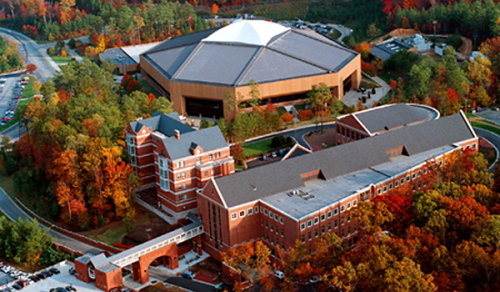
UNC’s 64-credit-hour PhD in School Psychology, housed in the School of Education, runs two tracks depending on whether you arrive with a master’s already in hand. The program carries full APA accreditation and NASP approval, and UNC itself is accredited by the Southern Association of Colleges and Schools Commission on Colleges. Resident tuition runs about $11,046 a year, the lowest on this list, and the full UNC Chapel Hill profile covers admissions and campus details. Founded in 1789, UNC was the first public university to open in the United States. Program details are available on the School of Education site.
#2. Indiana University Bloomington: Bloomington, IN
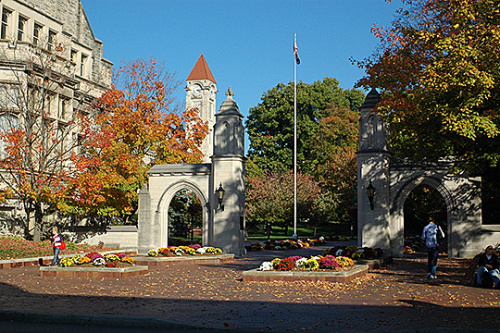
Indiana University’s PhD in School Psychology is now a 94-credit-hour program combining at least 800 hours of practica with a 1,500-hour internship. Admission works on a faculty-mentoring model, so applicants indicate which professor’s research they want to work with directly. The program is APA-accredited, NASP-approved, and IU Bloomington itself holds Higher Learning Commission accreditation. Resident tuition runs roughly $478 per credit hour, about $11,472 a year at a typical full-time course load. Read the full Indiana University Bloomington profile or the School of Education program page for admissions specifics.
#3. University of Texas at Austin: Austin, TX
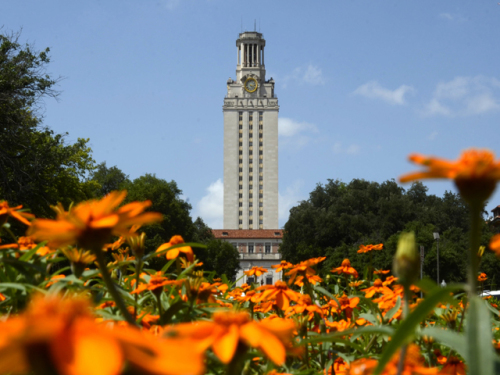
UT Austin’s former “School Psychology Doctoral Specialization” is now the combined School/Clinical Child Psychology PhD, housed in the Department of Educational Psychology and accredited by the APA as a combined clinical/school program (next reaccreditation site visit is scheduled for fall 2032). Funded students typically receive a stipend plus tuition waivers for up to nine credit hours. Resident tuition runs about $659 per credit hour, roughly $12,006 a year at UT Austin’s flat-rate billing. UT Austin carries Southern Association of Colleges and Schools Commission on Colleges accreditation. See the University of Texas at Austin profile or the current program page for degree-plan details.
#4. University of Florida: Gainesville, FL
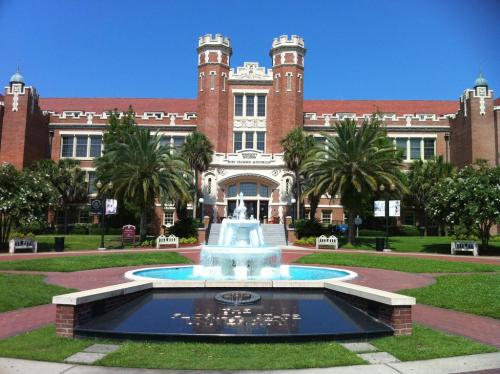
UF’s 122-credit-hour School Psychology PhD track uses a scientist-practitioner model and is fully accredited by the APA, approved by the Florida Department of Education, and nationally recognized by NASP. First-year assistantships typically include a stipend and a full tuition waiver, renewable up to five years for students in good standing. Resident tuition runs about $449 per credit hour, roughly $12,737 a year. UF is accredited by the Southern Association of Colleges and Schools Commission on Colleges. Visit the University of Florida profile or the on-campus PhD page for current admissions requirements.
#5. University of Kansas: Lawrence, KS
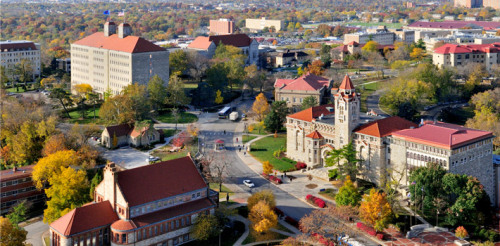
KU’s Department of Educational Psychology coordinates a scientist-practitioner PhD in School Psychology, four years of coursework followed by a one-year internship, approved by NASP and the Kansas State Department of Education. Many doctoral students hold graduate teaching or research assistantships covering 40 to 50 percent of their time, which waives core tuition and pays a stipend. Resident tuition runs about $416 per credit hour, roughly $13,312 for a typical 32-credit first year. KU is accredited by the Higher Learning Commission. The University of Kansas profile and the program’s own admissions page have more on funding and requirements.
#6. University of Iowa: Iowa City, IA
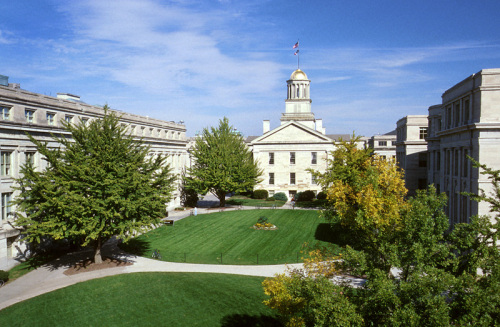
Iowa’s School Psychology doctoral program leads to a combined PhD and EdS and was granted APA accreditation on contingency on March 4, 2025, meaning it meets the standards but the APA is still collecting outcome data before granting full status, with the next site visit scheduled for 2028. Most PhD students receive full tuition waivers plus a stipend through assistantships or fellowships. Resident tuition runs about $647 per credit hour, roughly $13,425 a year. Iowa holds Higher Learning Commission accreditation. Read the University of Iowa profile or the College of Education program page for the current accreditation letter.
#7. University of Arizona: Tucson, AZ

Arizona’s College of Education offers both a PhD and a separate NASP-accredited EdS in School Psychology, both following a scholar-practitioner model. The PhD carries APA accreditation and NASP approval, and Arizona public-university doctoral programs typically come with full tuition waivers plus stipends in the $20,000-$30,000 range. Resident tuition runs about $1,053 per credit hour, roughly $14,856 a year before funding. The University of Arizona is accredited by the Higher Learning Commission. See the University of Arizona – Tucson profile or the PhD program page for the EdS-vs-PhD decision guide.
#8. University of California, Berkeley: Berkeley, CA
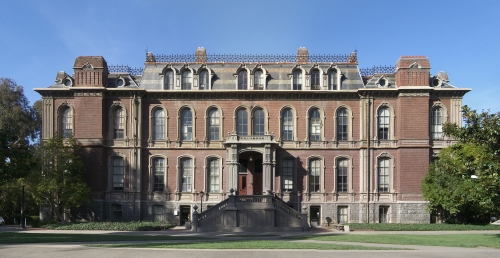
Berkeley’s School Psychology PhD, in the Berkeley School of Education, is grounded in developmental psychology and is APA-accredited. The department guarantees several years of funding through fellowships and teaching or research appointments that cover tuition and pay a stipend for most students. Resident tuition and fees run about $15,866 a year, non-resident closer to $31,000, before any funding is applied. Berkeley is accredited by the WASC Senior College and University Commission. The UC Berkeley profile and the admissions page cover application specifics.
#9. University of Massachusetts Amherst: Amherst, MA
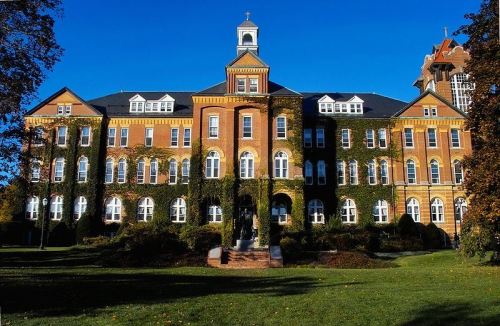
UMass Amherst’s 117-credit PhD in School Psychology, in the College of Education, follows an ecologically oriented scientist-practitioner model and is aligned with APA’s Standards of Accreditation for Health Service Psychology. The program is approved by the Massachusetts Department of Elementary and Secondary Education for state licensure. Resident tuition runs about $838 per credit hour, roughly $17,410 a year. UMass Amherst is accredited by the New England Commission of Higher Education. Visit the University of Massachusetts – Amherst profile or the College of Education program page for admissions timelines.
#10. University of Wisconsin-Madison: Madison, WI
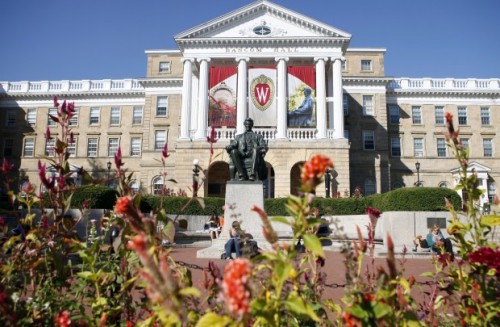
Wisconsin’s PhD in School Psychology, part of the Educational Psychology department, uses a scientist-scholar-practitioner model with a specific focus on social justice in assessment and intervention. The program is fully accredited by the APA and approved by NASP. Resident tuition runs about $807 per credit hour, roughly $19,368 a year. UW-Madison is accredited by the Higher Learning Commission. Read the University of Wisconsin – Madison profile or the program page for coursework details.
#11. University of Oregon: Eugene, OR
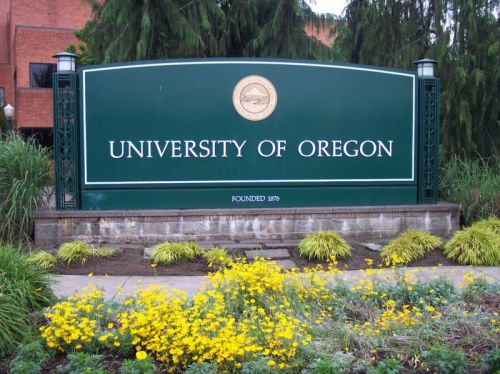
Oregon’s 5-year PhD in School Psychology is accredited by both the APA and NASP and approved by the Oregon Teacher Standards and Practices Commission. One change worth knowing before you apply: starting with the 2026-27 cohort, the program is no longer guaranteeing funded Graduate Employee packages to incoming doctoral students, so confirm current funding directly with the program. Resident tuition runs about $623 per credit hour, roughly $19,474 a year. Oregon is accredited by the Northwest Commission on Colleges and Universities. See the University of Oregon profile or the program’s PhD page for the latest funding update.
#12. University of Washington: Seattle, WA
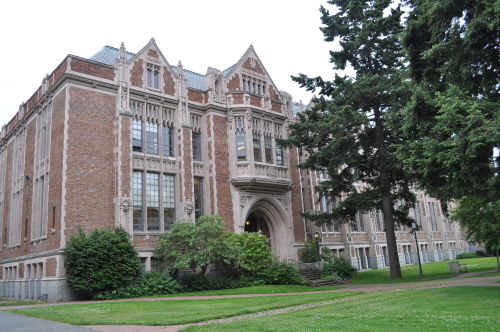
UW’s School Psychology PhD builds an Educational Specialist (EdS) degree into its first three years, so students without a prior school psychology degree earn licensure-eligible credentials on the way to the doctorate. The program is APA-accredited and NASP-approved. The EdS portion runs about $792 per quarter credit, with the university’s own estimate putting full-time resident cost at roughly $20,736 a year once the doctoral coursework begins. UW is accredited by the Northwest Commission on Colleges and Universities. Visit the University of Washington profile or the program page for the EdS-embedded curriculum.
#13. Michigan State University: East Lansing, MI
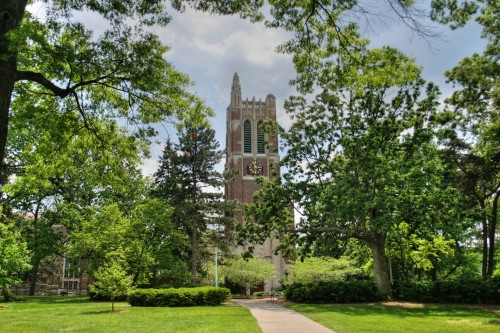
MSU’s PhD in School Psychology has held APA accreditation since 1985 and is approved by NASP and the Michigan Department of Education, preparing graduates for both Certified School Psychologist and Nationally Certified School Psychologist status. Students with funding offers typically receive four years of assistantships covering tuition plus a stipend. Resident tuition runs about $893 per credit hour, roughly $21,772 a year before funding. MSU is accredited by the Higher Learning Commission. See the Michigan State University profile or the program page for admissions details.
#14. Pennsylvania State University: University Park, PA
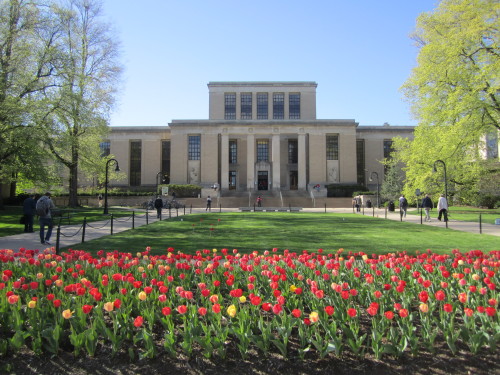
Before you apply: APA’s official accredited-programs list currently shows Penn State’s School Psychology PhD as “Accredited, Inactive,” meaning the program is not admitting new doctoral students in the current cycle. Confirm directly with the department whether admissions have reopened before you start an application. Established in 1965, the program is accredited by the APA, approved by NASP, and certified by the Pennsylvania Department of Education. Resident tuition sits under the “All Other Programs” graduate tuition tier at about $1,082 per credit hour, roughly $25,966 a year full-time, though many students hold assistantships billed at a reduced rate. Penn State is accredited by the Middle States Commission on Higher Education. Read the Pennsylvania State University profile or the graduate bulletin entry for the latest admission status.
#15. Teachers College, Columbia University: New York, NY
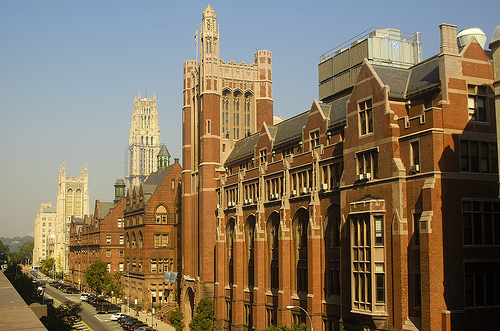
Teachers College’s PhD in School Psychology requires a minimum of 90 points and is accredited by both the APA and NASP, preparing graduates for New York State certification as a school psychologist and licensure as a psychologist. As a private institution, TC charges the same per-point rate to every student regardless of state residency: $2,131 per point for the 2025-26 year, plus a separate college fee, working out to roughly $51,000 a year at a full-time course load, the highest tuition on this list even with financial aid factored in. Columbia is accredited by the Middle States Commission on Higher Education. See the Teachers College, Columbia University profile or the program’s degree requirements page for financial aid options.
What to Look For in an Affordable School Psychology Program
Tuition is the easiest number to compare, but it isn’t the number that decides what you’ll actually pay for one of the most affordable school psychology programs on this list. A few other factors matter just as much:
- Funding, not just tuition. Most PhD programs on this list offer assistantships that waive tuition and pay a stipend, sometimes for four or five years. A school with higher sticker tuition but guaranteed funding can end up costing you less out of pocket than a “cheaper” program with no assistantships.
- Regional accreditation is the baseline, not the differentiator. Every school here carries it. What actually separates programs is APA accreditation for the doctoral degree specifically, which you can confirm directly through the APA’s own accredited-programs database rather than a school’s marketing page.
- Contingent accreditation still counts, with conditions. A program “accredited on contingency” is accredited. It means the APA is still collecting outcome data before granting full status. Ask the program directly what that means for internship placement in your application year.
- An embedded EdS can shorten your timeline. A few of these PhD programs build the Education Specialist credential into the first few years, so you’re licensable to work in schools before you finish the doctorate.
- Check whether the program is actually admitting this cycle. APA accreditation status can include “inactive,” meaning a program isn’t currently taking new doctoral students even though its accreditation is intact. Confirm directly with the department before you invest time in an application.
- State licensure rules vary. Check your target state’s psychology board before you commit. Some states weigh APA accreditation more heavily than others when reviewing a license application.
Frequently Asked Questions
Do I need a PhD to work as a school psychologist?
No. Most practicing school psychologists hold an Education Specialist (EdS) degree, not a doctorate. The PhD programs on this list are for people who want to be licensed as psychologists outside a school setting, teach at the university level, or run research. See our breakdown of what a school psychologist actually does day to day before deciding which credential fits your goals.
What is NASP, and why does it show up next to APA on these programs?
NASP is the National Association of School Psychologists, the field’s professional organization. It approves training programs against its own standards, separately from APA’s accreditation of the doctoral degree itself. Every program ranked here carries both. Read our full explainer on what the NASP does.
Are these doctoral programs fully funded?
Many are. Public university PhD programs in school psychology commonly offer teaching or research assistantships that waive tuition and include a stipend, often for four to five years. Funding isn’t guaranteed at every school every year, so confirm the current funding picture directly with each program before you apply.
What’s the job outlook for school psychologists?
Demand has been rising as more districts add staff for assessment and mental health support. For current wage and growth figures specific to the role, see our breakdown of the employment outlook for school psychologists.
Will I work with IEPs as a school psychologist?
Yes, regularly. School psychologists are typically part of the team that develops and reviews Individualized Education Programs for students with disabilities, including the testing that determines eligibility. If you’re not sure what that process involves, our guide to what an IEP is covers the basics.
Compare psychology doctoral and specialist programs by state, including application requirements and licensing details for your state board.