The best up-and-coming undergraduate psychology programs in the West combine growing research opportunities, hands-on faculty access, and tuition that fits the region’s cost of living. This guide ranks 10 accredited schools across California, Oregon, Arizona, and Idaho, chosen for expanding facilities, research access, and program growth since our last review.


 Click here for high resolution badge.
Most of the country’s most decorated psychology programs sit in the East, but that leaves a real question for students who want to stay closer to home: which Western school psychology programs are actually worth applying to right now? This list looks at 10 undergraduate psychology programs across California, Oregon, Arizona, and Idaho that our editorial team is watching for growth, based on the same criteria we use across our up-and-coming lists: added degree levels, hands-on research access, technology and facility investment, and out-of-classroom opportunities like internships, study abroad, and student research societies. Schools tied on that criterion are ordered by affordability, with the more budget-friendly program ranked higher.
BA or BS in Psychology: Does the Degree Type Matter?
Several schools on this list offer both a Bachelor of Arts and a Bachelor of Science in psychology, and the difference lies in emphasis, not quality. A BA typically leaves more room for a second major, a foreign language, or liberal arts electives, while a BS usually requires more coursework in lab science, statistics, and math. See what a psychology bachelor’s degree covers for a full breakdown of coursework and career paths. Neither path is generally considered the stronger credential for graduate school. Psychology PhD and PsyD admissions committees typically weigh your coursework, GPA, and research experience well before they look at whether your diploma says BA or BS.
10 Up-and-Coming Undergraduate Psychology Programs in the West at a Glance
Every school below holds regional institutional accreditation, the standard employers and graduate programs expect from a bachelor’s degree. Tuition changes every year, so treat the figures here as a starting point and confirm the current rate on each school’s site before applying.
| School | Degree | Tuition | Accreditation |
|---|---|---|---|
| 10. University of San Francisco | BA | ~$60,500/year | WSCUC (regional) |
| 9. Westmont College | BA | ~$55,400/year | WSCUC (regional) |
| 8. Biola University | BA | ~$50,900/year | WSCUC (regional) |
| 7. Oregon State University | BA/BS | ~$258/credit resident, ~$771/credit non-resident | NWCCU (regional) |
| 6. University of Arizona | BA/BS | ~$13,600/year resident, ~$41,300/year non-resident | HLC (regional) |
| 5. University of Idaho | BA/BS | ~$9,100/year resident, ~$28,300/year non-resident | NWCCU (regional) |
| 4. Arizona State University–Tempe | BA/BS | ~$14,000/year resident, ~$34,000/year non-resident | HLC (regional) |
| 3. University of Southern California | BA | ~$71,600/year | WSCUC (regional) |
| 2. Portland State University | BA/BS | ~$11,100/year resident, ~$29,100/year non-resident | NWCCU (regional) |
| 1. San Diego State University | BA/BS | ~$8,700/year resident, ~$21,300/year non-resident | WSCUC (regional) |
#10. University of San Francisco
San Francisco, California

USF’s Department of Psychology requires every student to either take part in a faculty research project or work through published research articles, so the BA doubles as a hands-on research credential rather than a lecture-only major. Qualified students can apply for paid or credit-bearing faculty lab assistant positions. The campus chapter of Psi Chi has organized two student research conferences and has a track record of national recognition.
Accreditation: WSCUC (regional).
Tuition: ~$60,500/year, flat rate for all students regardless of residency (2025–26).
#9. Westmont College
Santa Barbara, California
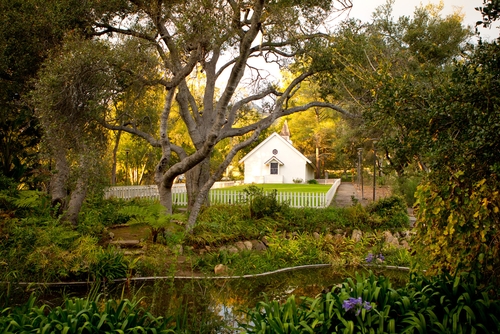
Westmont pairs the science of psychology with a Christian liberal arts framework, covering topics like child development, behavioral neuroscience, and cognitive psychology. Practicums, workshops, and colloquia put students in front of working professionals before graduation, and the program has a steady record of students presenting original research at regional and national conferences.
Accreditation: WSCUC (regional).
Tuition: ~$55,400/year, flat rate for all students regardless of residency (2026–27 estimate).
#8. Biola University
La Mirada, California
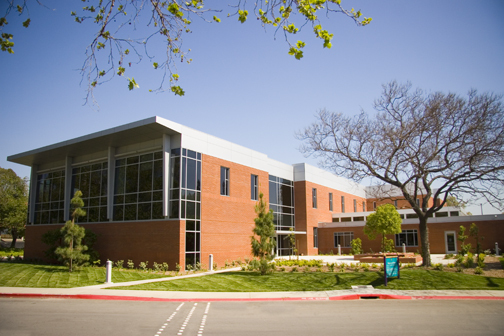
Biola’s undergraduate psychology program sits inside the Rosemead School of Psychology, so BA students take classes from the same faculty who teach the school’s doctoral cohort, an arrangement most bachelor’s programs can’t offer. Coursework spans cognitive psychology, personality theories, and social psychology, and the campus Psi Chi chapter hosts regular mentoring events that pair undergrads with professors. The on-campus Biola Counseling Center provides students with applied training and referral resources.
Accreditation: WSCUC (regional).
Tuition: ~$50,900/year, flat rate for all students regardless of residency (2025–26).
#7. Oregon State University
Corvallis, Oregon
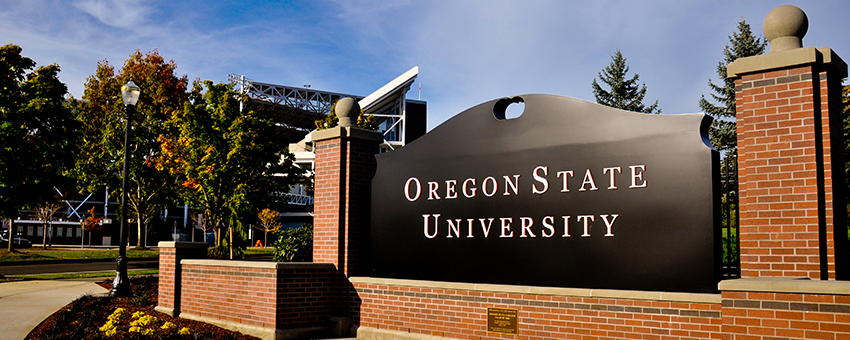
Oregon State’s School of Psychological Science offers both a BA and a BS, available on campus or fully online through Ecampus at the same tuition rate. Students who want to go beyond a single discipline can pursue the university’s Master of Arts in Interdisciplinary Studies at the graduate level, which lets them combine psychology with a second and third field.
Accreditation: NWCCU (regional).
Tuition: ~$258/credit for Oregon residents (~$15,400/year full-time), ~$771/credit for non-residents (~$39,100/year full-time) (2025–26).
#6. University of Arizona
Tucson, Arizona
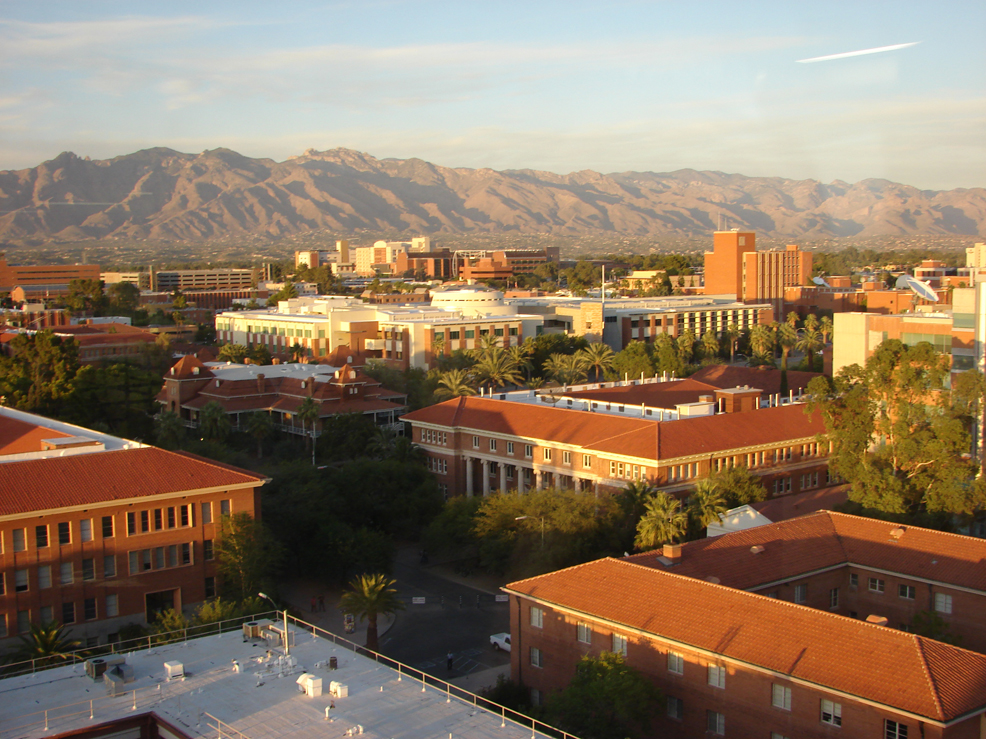
Arizona’s psychology department is part of the School of Mind, Brain, and Behavior, which puts undergraduates in regular contact with students and faculty from Neuroscience and Speech, Language, and Hearing Science. The program emphasizes research methods training, and students can apply that to one of four graduate concentrations, including Clinical Psychology, which regularly collaborates on shared research. Arizona has held resident undergraduate tuition and fees flat for three straight years. Check the school’s admissions and program profile for more on applying.
Accreditation: HLC (regional).
Tuition: ~$13,600/year for Arizona residents, ~$41,300/year for non-residents (2025–26; resident rate frozen for a third consecutive year).
#5. University of Idaho
Moscow, Idaho
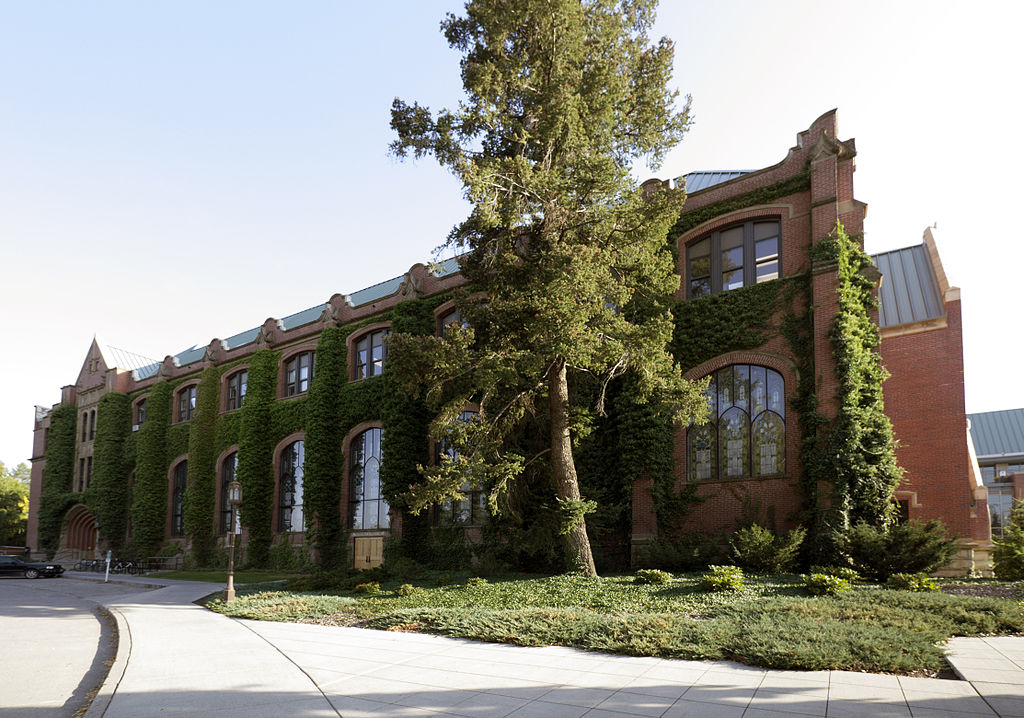
Undergraduates at Idaho study personality, biological processes, and clinical psychology alongside a track that leans into human factors psychology, an applied specialty that studies how people interact with tools, technology, and work environments. Students have consistent access to internships and research opportunities, and students who continue in human factors psychology can pursue a master’s or doctoral track in experimental psychology, with graduates going on to industry and applied research roles.
Accreditation: NWCCU (regional).
Tuition: ~$9,100/year for Idaho residents, ~$28,300/year for non-residents (2024–25).
#4. Arizona State University–Tempe
Tempe, Arizona
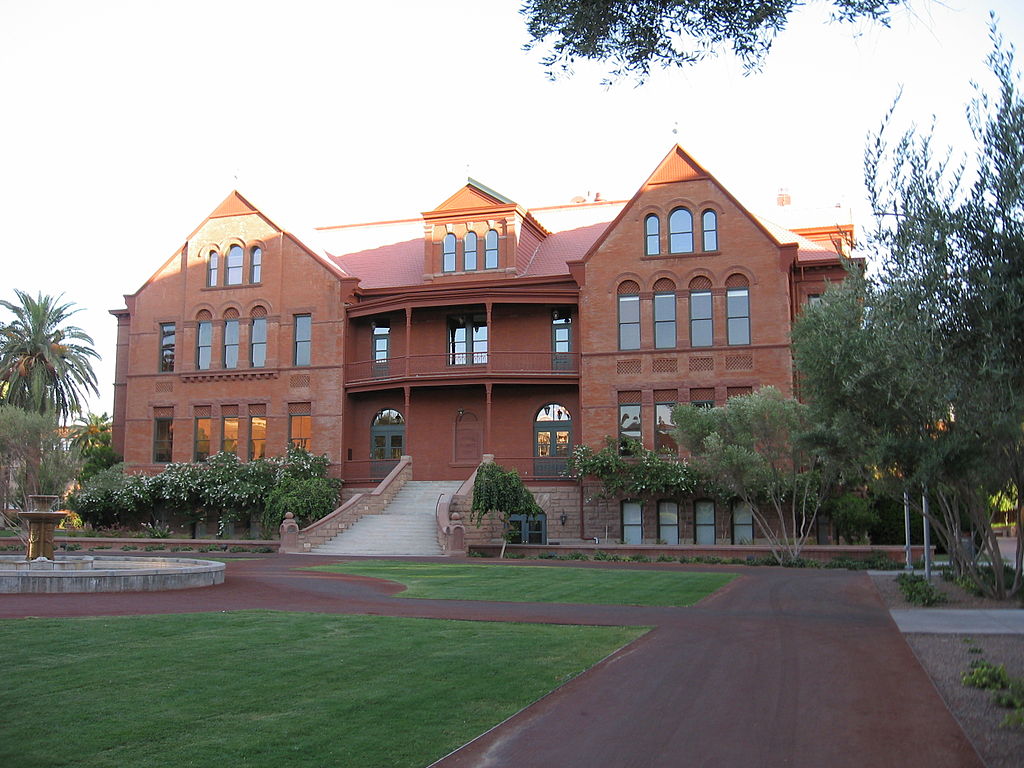
ASU’s psychology majors get access to more than 40 research facilities spanning statistics, cognition, and behavioral neuroscience. Coursework builds a strong research-methods foundation early, and students in the honors program or the campus Psi Chi chapter can build closer advising relationships within a large university.
Accreditation: HLC (regional).
Tuition: ~$14,000/year for Arizona residents (tuition plus mandatory fees), ~$34,000/year for non-residents (2025–26).
#3. University of Southern California
Los Angeles, California
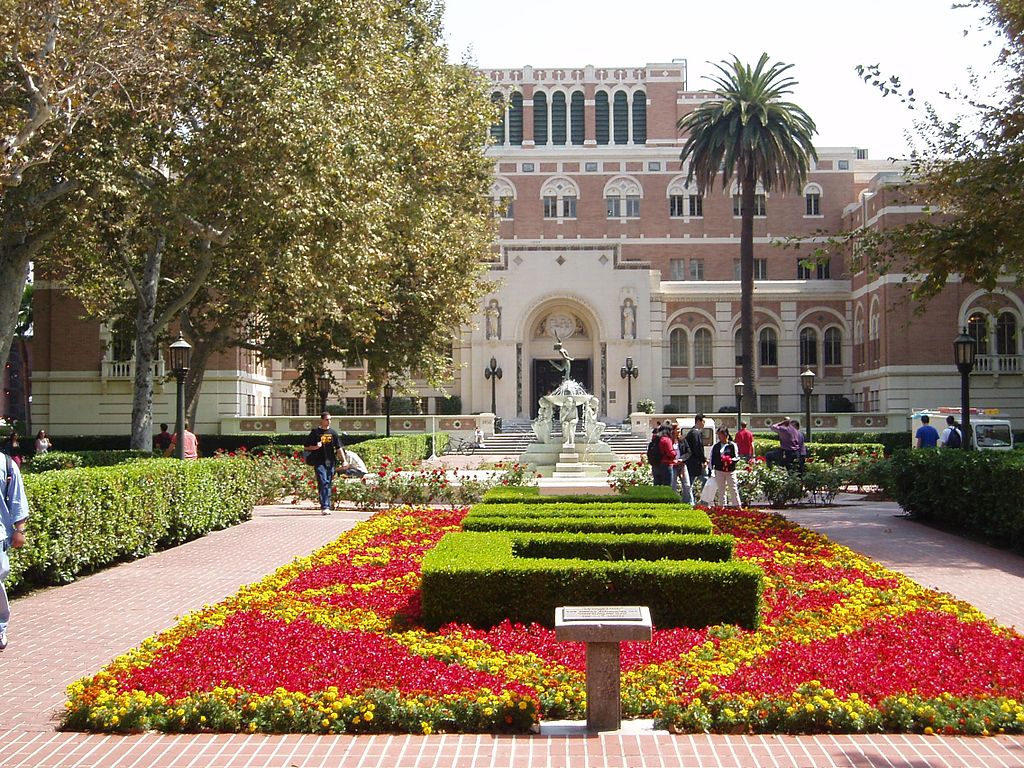
USC’s Dornsife Department of Psychology is taught by internationally recognized faculty, and undergraduates have a clear path into research, internship, and study-abroad opportunities during the degree. Students aiming for graduate school can look ahead to USC’s own doctoral program, which offers five specialization areas, including social psychology, clinical science, and developmental psychology.
Accreditation: WSCUC (regional).
Tuition: ~$71,600/year, flat rate for all students regardless of residency (2025–26).
#2. Portland State University
Portland, Oregon
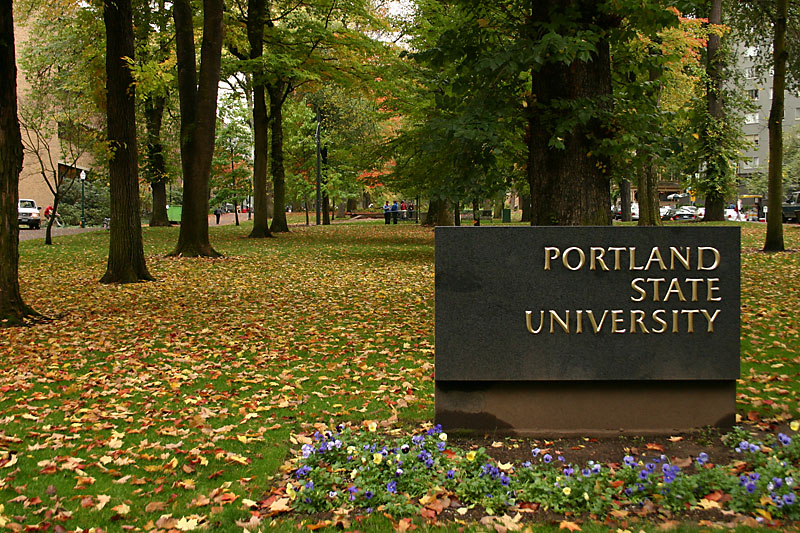
Portland State builds its psychology program around community-based research, meaning students apply what they learn in real community settings under faculty supervision rather than staying inside the classroom. Coursework touches on industrial, community, and cognitive psychology, and the university’s graduate programs in applied developmental, industrial-organizational, and applied social and community psychology provide a clear next step for students who want to stay on the applied track.
Accreditation: NWCCU (regional).
Tuition: ~$11,100/year for Oregon residents, ~$29,100/year for non-residents (2024–25).
#1. San Diego State University
San Diego, California
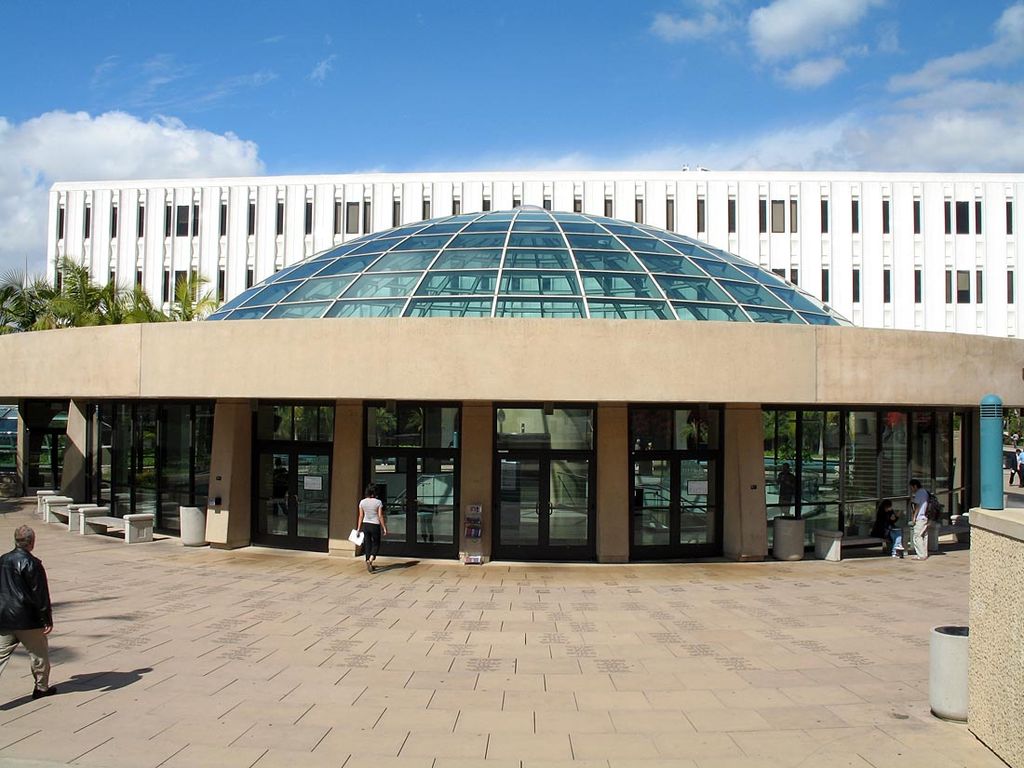
SDSU’s Department of Psychology places students in research and applied settings, including schools, courtrooms, and hospice care. Sophomores are encouraged to start research early, and the department offers three on-campus statistics labs, as well as access to off-campus research partners such as the San Diego Zoo and Children’s Hospital. Active Psi Chi and Psychology Club chapters give students an easy way to connect with peers who share their research interests.
Accreditation: WSCUC (regional).
Tuition: ~$8,700/year for California residents, ~$21,300/year for non-residents (2024–25).
What to Look For in an Up-and-Coming Psychology Program
The schools above earned their spots on this list using the same factors worth checking on any growing program:
- Institutional accreditation. Confirm the school holds regional accreditation (WSCUC, NWCCU, HLC, and similar bodies) before applying. This is what most employers and graduate programs expect, separate from any subject-specific accreditation a school might advertise.
- Real research access. Look for programs that let undergraduates work in faculty labs, present at conferences, or complete an honors thesis, not just take research-methods coursework.
- Applied or community placements. Internships, practicums, and community partnerships give you a preview of the work before you commit to a graduate specialty.
- Growth signals. New concentrations, renovated facilities, and added online options usually mean a program is investing in its students, not coasting on reputation.
- Total cost, not sticker price. Compare the actual billing model (flat rate, per-credit resident/non-resident, or online rate) with your budget and any state exchange programs, like WUE, you might qualify for.
Frequently Asked Questions
What’s the difference between a BA and a BS in psychology?
A BA usually requires more general education and liberal arts electives, while a BS requires more math, statistics, and lab science coursework. Both degrees cover the same core psychology curriculum, so the choice comes down to what else you want your schedule to include.
Do I need a bachelor’s degree from a well-known school to get into a good psychology graduate program?
No. Graduate admissions committees weigh your GPA, coursework, letters of recommendation, and research or clinical experience far more heavily than your undergraduate school’s name recognition.
Can I become a licensed psychologist with only a bachelor’s degree?
No. Every U.S. state requires a doctoral degree, usually a PhD or PsyD, along with supervised practice hours and a passing score on the EPPP to become a licensed psychologist. However, exact requirements vary by state licensing board. A bachelor’s degree is the first step, not the credential that leads to licensure on its own.
Are online psychology bachelor’s programs taken seriously by employers and graduate schools?
Generally, yes, as long as the program carries the same institutional accreditation as its on-campus counterpart, though acceptance can still vary by individual employer or graduate program. Several schools on this list, including Oregon State, offer online psychology degrees with the same accreditation standards and tuition rates as their campus programs.
Select your state below to find accredited psychology programs, application links, and tuition details for schools near you.