This guide highlights undergraduate psychology programs in the South that may be worth considering based on research access, applied learning opportunities, program offerings, institutional accreditation, and estimated cost. It compares ten institutionally accredited schools across eight Southern states, selected using editorial factors such as research access, internships, student organizations, and facilities, so prospective students can identify programs that may offer strong opportunities beyond name recognition.


National rankings do not capture every program that may offer strong undergraduate preparation, research access, or applied learning. The ten schools featured here are located across several Southern states, including Arkansas, Louisiana, Georgia, North Carolina, South Carolina, Florida, Texas, and Alabama, and appear to offer notable psychology coursework, research opportunities, applied experiences, or student-support options. Verify current program growth directly with each school before publication. Each school was evaluated on the presence of graduate-level psychology programs, instructional approach, access to research and internships, study-abroad options, campus facilities, and student organizations, with a genuine standout feature weighed on top of that foundation. Where two schools showed similar strength across those factors, the more affordable program is listed first.
BA vs. BS in Psychology: Does It Matter for These Programs?
Most of the schools on this list offer both a Bachelor of Arts and a Bachelor of Science track in psychology, and the difference has more to do with your surrounding coursework than with the quality of your psychology education. A BA typically pairs the psychology major with a foreign language and broader liberal arts requirements, while a BS usually adds lab science and statistics credits. BA and BS tracks often share core psychology requirements, but exact curricula, statistics, lab science, language, and elective requirements vary by school.
Graduate programs typically weigh GPA, relevant coursework, research or applied experience, letters of recommendation, writing preparation, and program fit. The BA/BS distinction is usually less important than the student’s overall preparation. If you’re weighing the two in more detail, our guide to psychology bachelor’s degrees breaks down how each track can shape your path toward graduate school.
10 Up-and-Coming Undergraduate Psychology Programs in the South at a Glance
The tuition figures below should be treated as estimates and verified directly with each school’s tuition and fees page before publication, including mandatory fees, housing, residency rules, and financial aid. SACSCOC institutionally accredits most of the schools listed, but UCF currently states it is accredited by the Higher Learning Commission (HLC). Verify each school’s current institutional accreditation directly before publication. APA accreditation does not apply to bachelor’s psychology programs. Learn more about how APA-CoA accreditation works and where it currently applies: qualifying health service psychology master’s and doctoral programs, internships, and postdoctoral residencies.
| School | Degree | Tuition (2025-26) | Accreditation |
|---|---|---|---|
| 1. University of Alabama at Birmingham | BA/BS in Psychology | ~$9,100 in-state / ~$22,600 out-of-state | Institutionally accredited by SACSCOC |
| 2. Auburn University | BA/BS in Psychology | ~$13,300 in-state / ~$36,000 out-of-state | Institutionally accredited by SACSCOC |
| 3. University of Houston | BA/BS in Psychology | ~$9,700 in-state / ~$22,500 out-of-state | Institutionally accredited by SACSCOC |
| 4. University of Central Florida | BA/BS in Psychology | ~$6,400 in-state / ~$22,500 out-of-state | Institutionally accredited by HLC |
| 5. Georgia State University | BA/BS in Psychology | ~$8,700 in-state / ~$24,800 out-of-state | Institutionally accredited by SACSCOC |
| 6. Clemson University | BA/BS in Psychology | ~$15,554 in-state / ~$42,090 out-of-state | Institutionally accredited by SACSCOC |
| 7. North Carolina State University | BA in Psychology | ~$9,028 in-state / ~$33,993 out-of-state | Institutionally accredited by SACSCOC |
| 8. Agnes Scott College | BA in Psychology | ~$52,600/year (flat rate) | Institutionally accredited by SACSCOC |
| 9. Tulane University | BA/BS in Psychology | ~$71,997/year (flat rate) | Institutionally accredited by SACSCOC |
| 10. Hendrix College | BA in Psychology | ~$39,750/year (flat rate) | Institutionally accredited by SACSCOC |
#10 Hendrix College, Conway, Arkansas
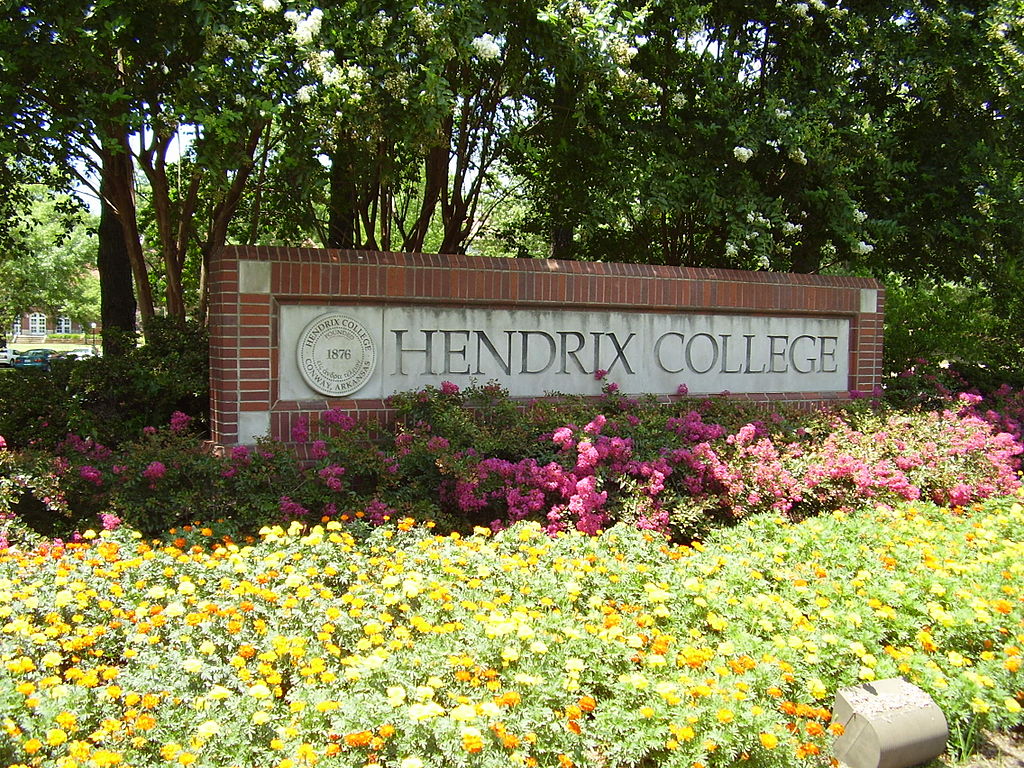
Tuition: ~$39,750 per year, a flat rate for all students
Accreditation: Institutionally accredited by SACSCOC
Hendrix’s psychology department builds its undergraduate program around diversity, research, and a scientific understanding of behavior, with coursework spanning sleep and dreaming, emotion, and the psychology of gender. Hendrix students may participate in student research events such as the Arkansas Symposium for Psychology Students. Verify the current frequency, sponsorship, and student participation before publication. Learn more about the program.
#9 Tulane University, New Orleans, Louisiana
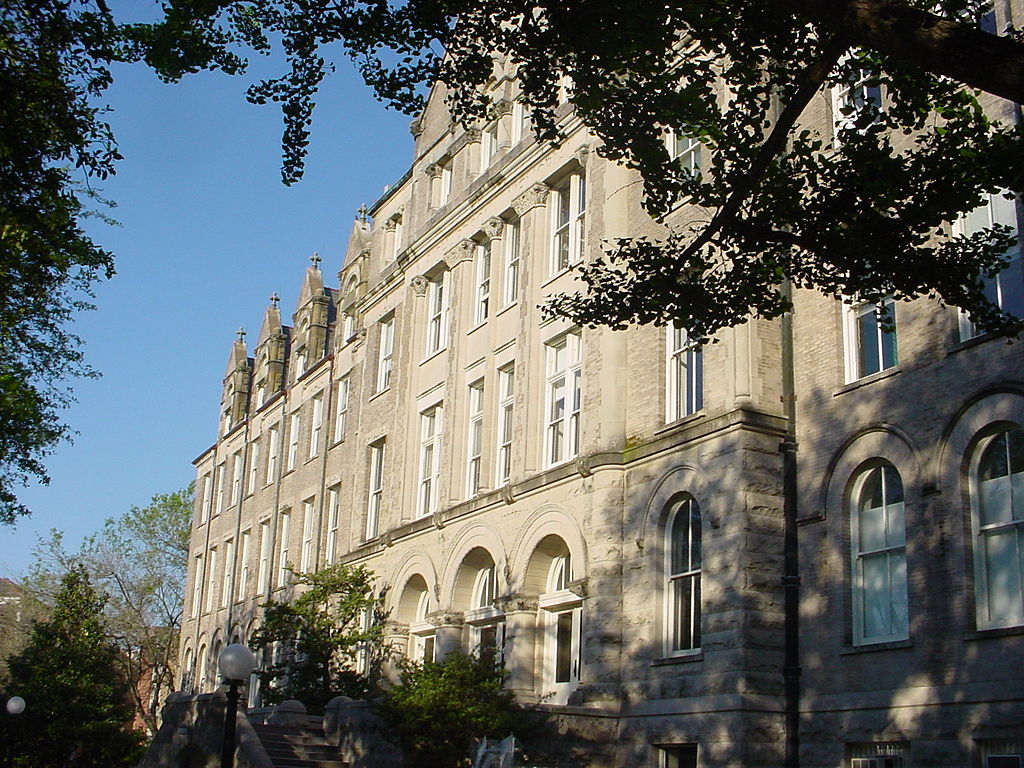
Tuition: ~$71,997 per year, a flat rate for all students
Accreditation: Institutionally accredited by SACSCOC
Psychology is a popular undergraduate major at Tulane. Tulane psychology students may pursue research opportunities, honors work, internships, and public-service experiences, depending on eligibility, faculty availability, and current department requirements. Learn more about the program.
#8 Agnes Scott College, Decatur, Georgia
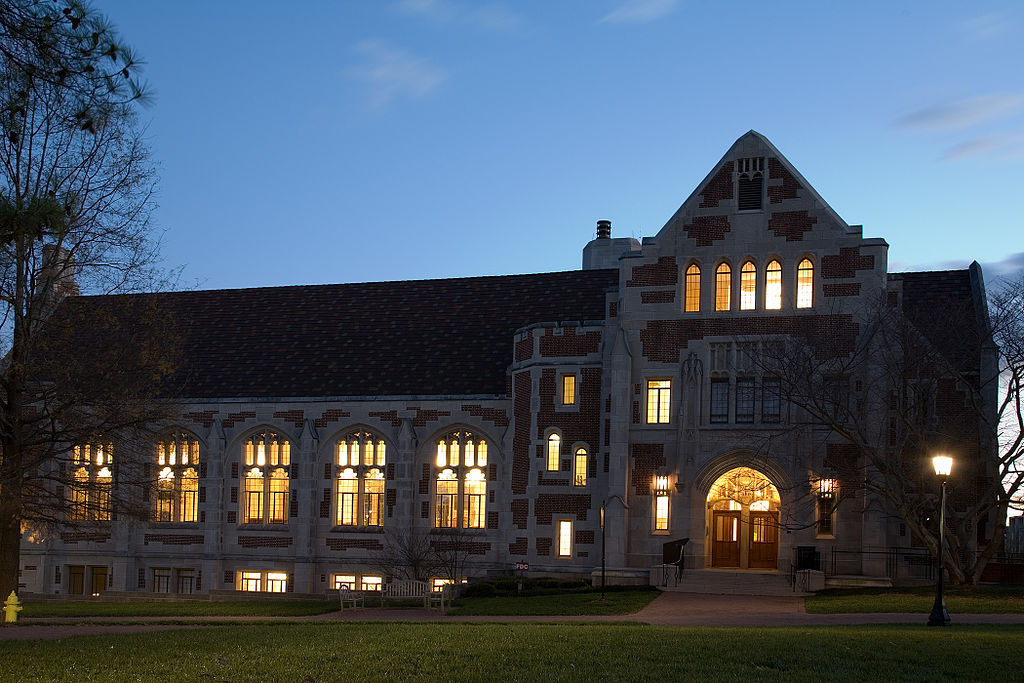
Tuition: ~$52,600 per year, a flat rate for all students
Accreditation: Institutionally accredited by SACSCOC
At this women’s college, psychology students work in small, well-equipped classes and may pursue internships through Atlanta-area organizations. Verify current employer examples and placement history before naming specific organizations. Faculty research collaboration is a core part of the program, and students present their findings at the college’s Spring Annual Research Conference, as well as at other regional, national, and international conferences. Some students may participate in faculty-student research that leads to conference presentations or publications, but publication outcomes should be supported with current department examples. Learn more about the program.
#7 North Carolina State University, Raleigh, North Carolina
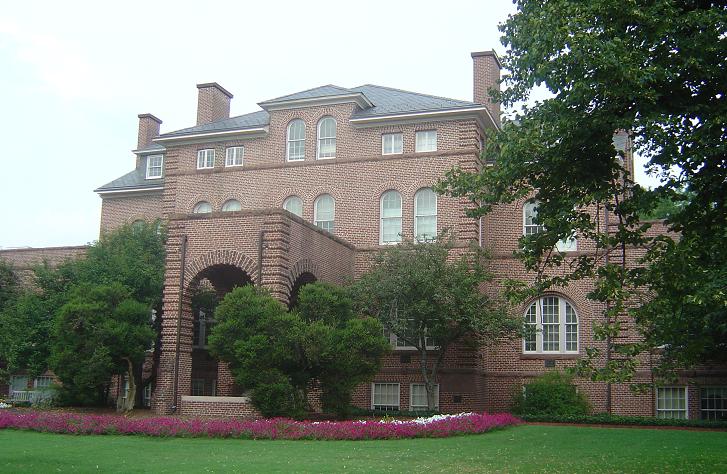
Tuition: ~$9,028 in-state / ~$33,993 out-of-state
Accreditation: Institutionally accredited by SACSCOC
NC State’s current undergraduate psychology degree options, concentrations, and honors pathways should be verified directly with the department and catalog before publication. NC State’s graduate psychology offerings and training models should be verified with the current graduate catalog. Avoid using graduate-program structure as a proxy for undergraduate quality unless undergraduate access is clear. Learn more about the program.
#6 Clemson University, Clemson, South Carolina
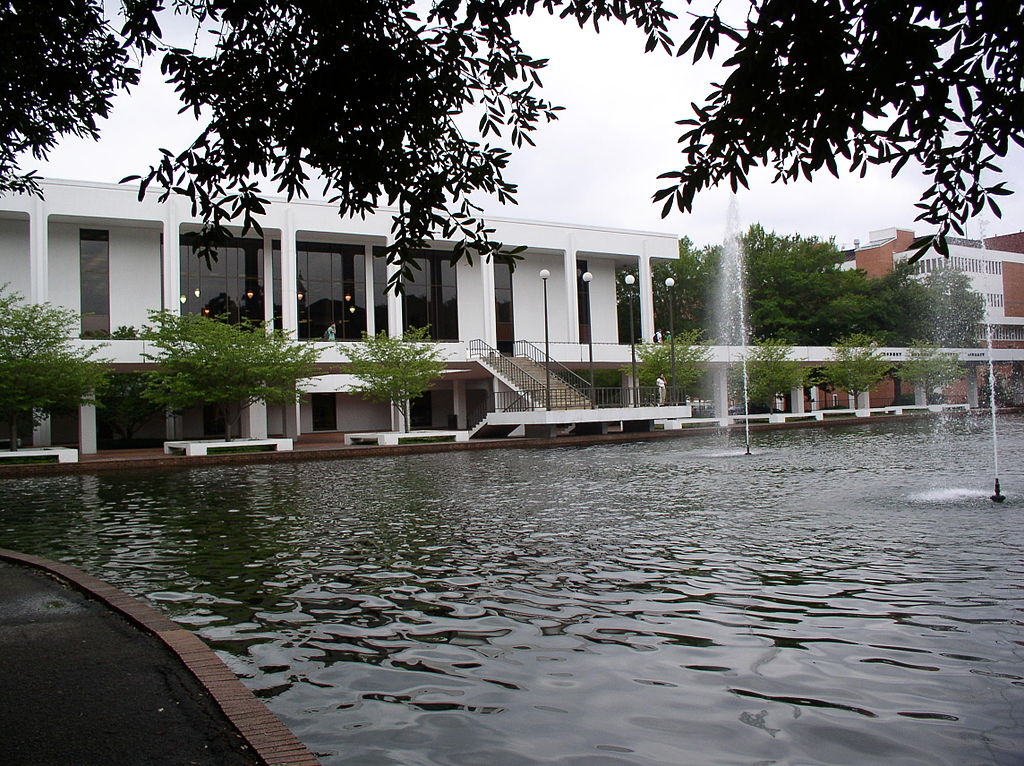
Tuition: ~$15,554 in-state / ~$42,090 out-of-state
Accreditation: Institutionally accredited by SACSCOC
Clemson offers psychology coursework and opportunities related to areas such as human factors and industrial-organizational psychology. Outcomes depend on coursework, experience, internships, and graduate-school or employer requirements. Students can assist with faculty research, pursue independent research with faculty guidance, or complete an undergraduate thesis or directed study course. Undergraduate practicums or applied experiences may expose students to professional settings, but they should not be described as clinical training unless they are formally supervised and approved for that purpose. Learn more about the program.
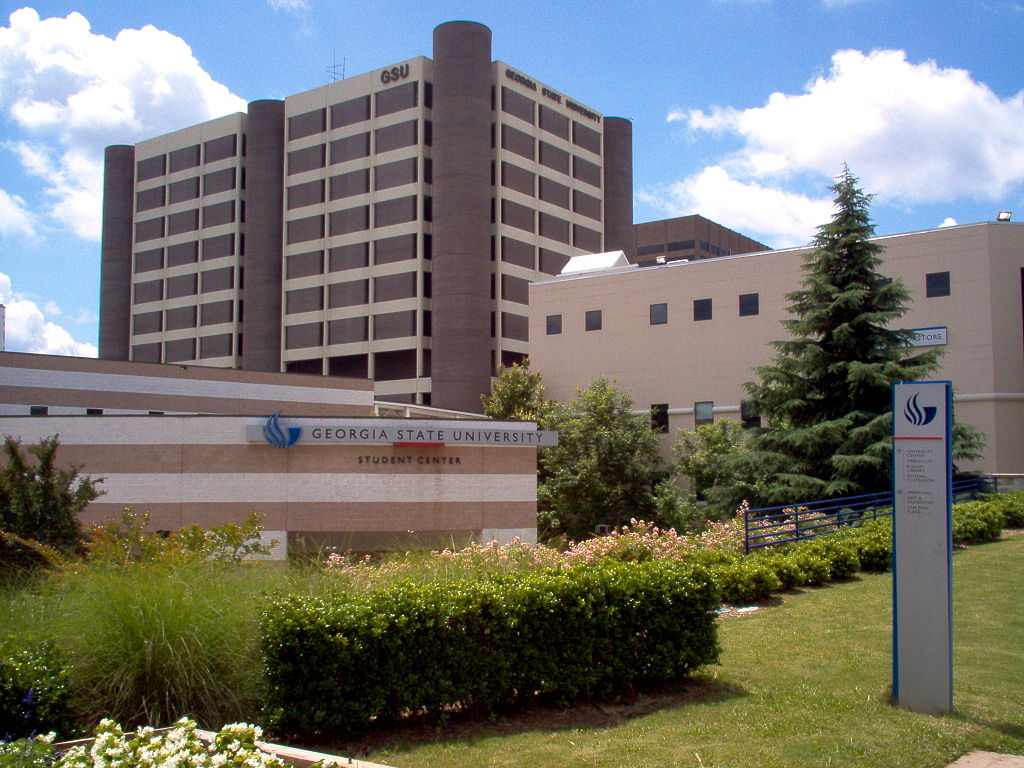
#5 Georgia State University, Atlanta, Georgia
Tuition: ~$8,700 in-state / ~$24,800 out-of-state
Accreditation: Institutionally accredited by SACSCOC
Georgia State offers coursework in psychology and applied or research opportunities. Verify current practicum availability, eligibility, and placement options before publication. The GSU Psychology Clinic supports graduate training and community services. Clarify whether and how undergraduates can participate, observe, or benefit from related opportunities. The department sponsors an annual conference where students present their research publicly. Learn more about the program.
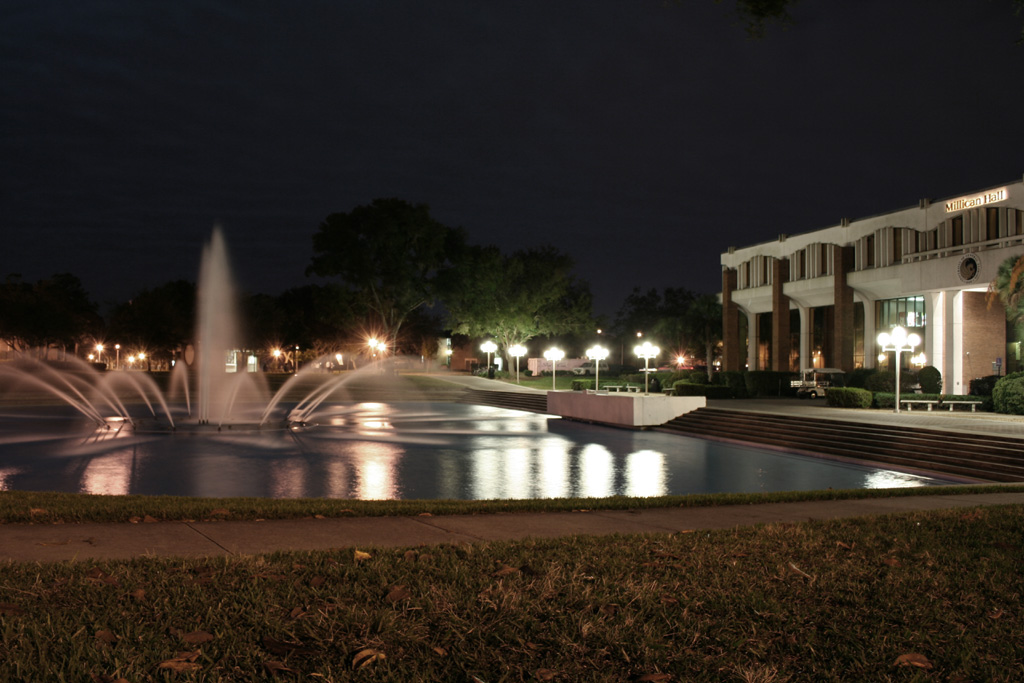
#4 University of Central Florida, Orlando, Florida
Tuition: ~$6,400 in-state / ~$22,500 out-of-state
Accreditation: Institutionally accredited by HLC (UCF states that it was accredited by SACSCOC from 1970 to 2026)
UCF offers undergraduate psychology study with access to psychology-related coursework and departmental resources. Verify current undergraduate tracks, graduate areas, and research opportunities directly with UCF. Learn more about the program.
#3 University of Houston, Houston, Texas
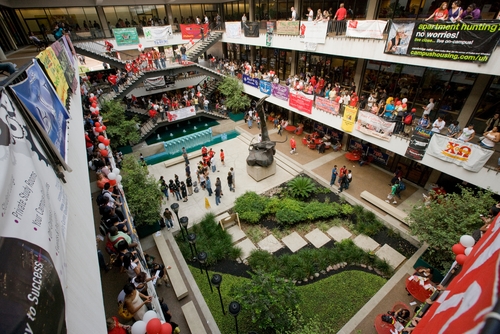
Image source needs verification. The original attribution linked directly to a hosted image file rather than a source page.
Tuition: ~$9,700 in-state / ~$22,500 out-of-state
Accreditation: Institutionally accredited by SACSCOC
University of Houston psychology students may be able to pursue research assistant opportunities in faculty labs, depending on current lab openings, eligibility, and faculty needs. Department-affiliated clinics may support graduate training and research. Verify whether undergraduate students have a direct, observational, or no role before describing hands-on experience. Learn more about the program.
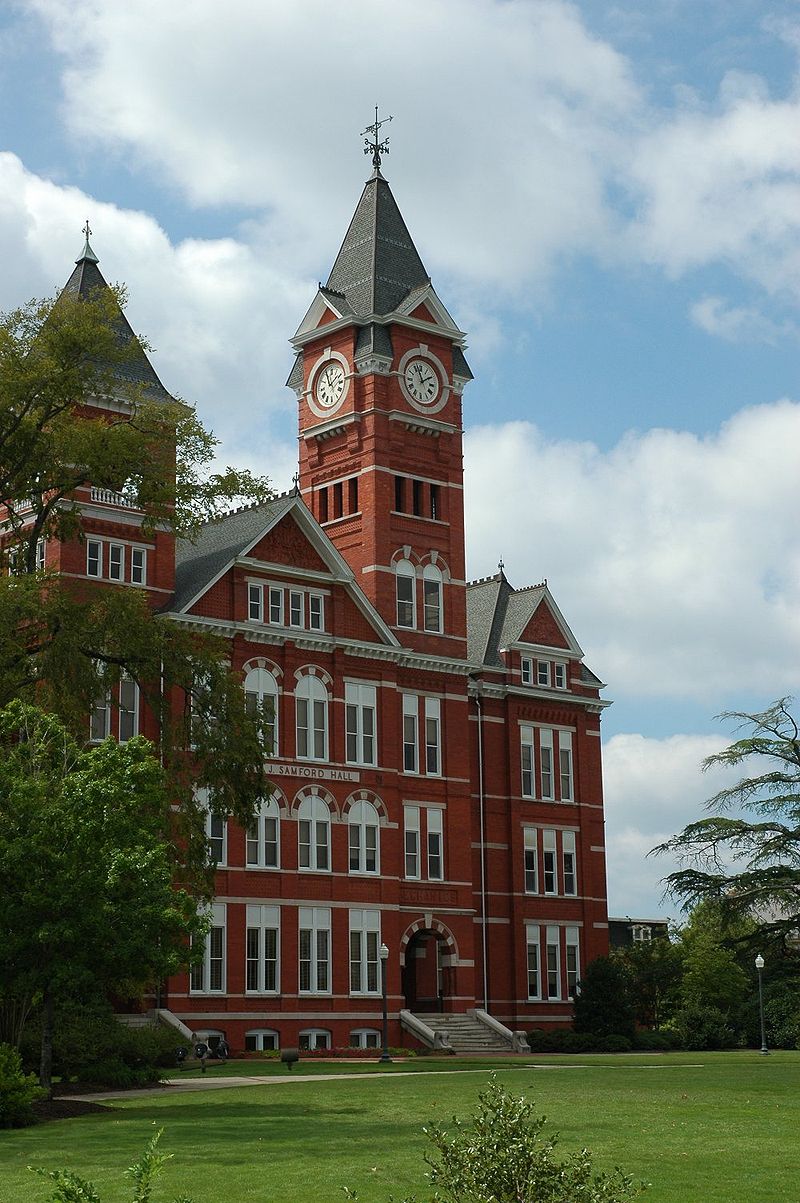
#2 Auburn University, Auburn, Alabama
Tuition: ~$13,300 in-state / ~$36,000 out-of-state
Accreditation: Institutionally accredited by SACSCOC
Auburn offers undergraduate psychology coursework with opportunities for outreach, research, and applied work. Verify current partnerships, clinic access, and undergraduate eligibility before publication. Students may be able to pursue internships or applied placements with local organizations, subject to current availability, eligibility, supervision, and departmental approval. On-campus resources include the Applied Behavior Analysis Clinic and the Auburn University Psychological Services Center. Learn more about the program.
#1 University of Alabama at Birmingham, Birmingham, Alabama
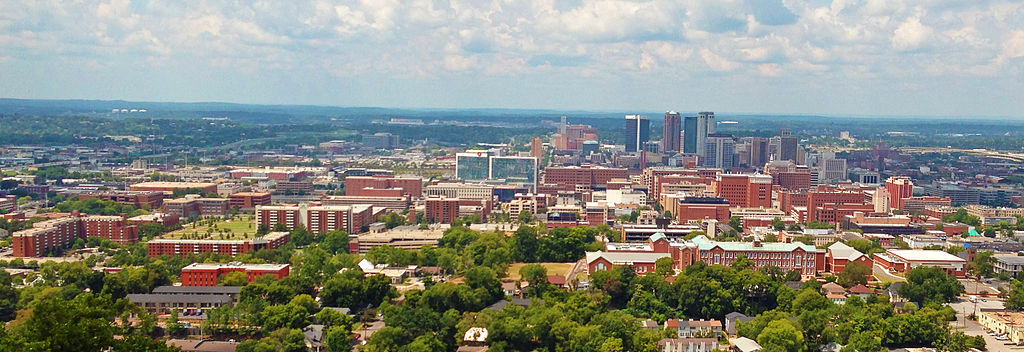
Tuition: ~$9,100 in-state / ~$22,600 out-of-state
Accreditation: Institutionally accredited by SACSCOC
UAB’s psychology department reports undergraduate research opportunities, including independent research under faculty supervision, with an honors program available for students seeking a bigger challenge. UAB students may benefit from nearby research and clinical institutions, but specific partnerships and undergraduate access should be verified directly before publication. UAB currently states that more than 30% of psychology students conduct independent research with a faculty member. Recheck this claim before publication because departmental participation rates can change. Learn more about the program.
What to Look For in an Up-and-Coming Psychology Program
A program that hasn’t landed on the big national lists yet can still be a strong choice, but a few factors separate the schools worth a closer look from the rest. Institutional accreditation from a recognized accreditor is the baseline. Students should verify their current accreditation status and whether it meets transfer, financial aid, employer, and graduate school needs. Institutional accreditation can support transfer-credit review, but transferability is never guaranteed and is determined by the receiving institution. Beyond that, look for real research access: labs you can join as an undergraduate, faculty who publish and mentor, and a track record of students presenting at conferences rather than just taking classes.
Cost structure matters just as much as the sticker price. Public university costs can differ significantly by residency status, fees, housing, and aid, so compare net price, not just listed tuition. Private colleges often charge the same tuition regardless of residency, but total cost still depends on fees, housing, scholarships, grants, and net price. Weigh internship placements, study-abroad options, and the strength of departmental clubs like Psi Chi alongside the numbers, since those experiences often matter more for graduate school applications than which specific undergraduate program you attended.
Frequently Asked Questions
Is a psychology degree from a lesser-known school respected by employers and graduate programs?
Often, yes, if the institution is properly accredited and the student has strong preparation. Employer and graduate-program decisions also depend on GPA, coursework, research or applied experience, recommendations, writing skills, and fit. Many entry-level employers focus more on degree completion, skills, relevant experience, internships, and communication ability than on institutional ranking, though employer preferences vary.
Do I need an APA-accredited program to earn a bachelor’s degree in psychology?
No. APA accreditation does not apply to bachelor’s psychology programs. It currently applies to qualifying health service psychology master’s and doctoral programs, internships, and postdoctoral residencies. At the bachelor’s level, institutional accreditation is the key baseline, along with curriculum quality, research access, advising, applied learning, transfer policy, and graduate-school preparation.
Can I become a licensed psychologist with just a bachelor’s degree?
No. Independent psychologist licensure generally requires a qualifying doctoral degree, supervised professional experience, required exams such as the EPPP, and state board approval. APA accreditation may be required or strongly preferred in many pathways, but requirements vary by jurisdiction. A bachelor’s degree can be a first step toward graduate study in psychology, counseling, social work, school psychology, or related fields, each with separate admission, accreditation, and licensure requirements.
What’s the difference between a BA and a BS in psychology?
BA and BS tracks often share core psychology requirements, but exact curricula, statistics, lab science, language, and elective requirements vary by school. A BA typically layers in a foreign language and broader liberal arts requirements, while a BS usually adds more lab science and statistics coursework. Neither is viewed as more rigorous by graduate programs.
How much do the programs on this list cost before financial aid?
Published tuition for public universities on this list varies by residency and year. Verify current tuition, mandatory fees, housing, and aid before comparing costs. Private colleges on this list charge a single flat rate before financial aid, regardless of where you live.
Compare psychology programs by institutional accreditation, degree type, tuition and net price, research access, internships, advising, transfer policy, online availability, and graduate-school preparation.