The best undergraduate psychology programs in the Midwest aren’t always the ones with the biggest name recognition. This guide features ten regionally accredited schools across nine states, chosen for strong research access, distinctive coursework, and tuition that won’t leave you drowning in debt before grad school even starts.


You’ve probably heard of the University of Michigan’s psychology department. You’ve probably never heard of Central College. That doesn’t mean the education is worse; it just means the marketing budget is smaller. Big-name flagships get all the attention, but plenty of smaller Midwest schools are quietly doing the same thing: giving undergrads real research experience, faculty who know your name, and a bachelor’s degree that opens the same graduate school doors as anyone else’s.
This list covers 10 regionally accredited undergraduate psychology programs in the Midwest that don’t receive the recognition they’ve earned. We looked at research access, distinctive coursework, faculty engagement, and cost, because paying less now for a comparable education later isn’t a compromise. It’s a strategy.
BA or BS in Psychology: Does It Matter Which One You Pick?
Every school on this list offers a bachelor’s in psychology, but not all of them label it the same way. A BA usually leaves more room for foreign-language and humanities electives. A BS usually means more required math and lab science, which matters if you’re looking at a program like Creighton’s or Michigan Tech’s, where the psychology curriculum leans into neuroscience and cognitive science coursework.
Here’s the good news: neither one closes doors. Graduate programs care about your GPA, your research experience, and your letters of recommendation, not whether your diploma says “Arts” or “Science.” Pick the version that fits the classes you actually want to take, not the one you think looks more impressive. Either way, it helps to know what a bachelor’s degree in psychology actually qualifies you to do before you commit to a track.
10 Up-and-Coming Psychology Programs in the Midwest at a Glance
All ten schools below are accredited by the Higher Learning Commission (HLC), the regional accreditor recognized across the central United States. That means credits transfer and graduate programs take the degree seriously. Tuition figures reflect published 2026-27 rates where a school has announced one (2025-26 for DePauw, its most recently published rate). Public school figures show in-state tuition and fees. Private school figures show the full published tuition rate; for Marquette and Central College, tuition is the only charge, with fees billed separately. Tuition changes every year, so confirm the current rate on each school’s own site before you apply.
| School | Degree | Tuition | Accreditation |
|---|---|---|---|
| 1. Northern Illinois University | BA/BS | ~$13,639/yr in-state | HLC (regional) |
| 2. University of Cincinnati | BA/BS | ~$13,836/yr in-state | HLC (regional) |
| 3. University of Illinois Chicago | BA/BS | ~$16,083/yr in-state | HLC (regional) |
| 4. Michigan Technological University | BS | ~$21,348/yr in-state | HLC (regional) |
| 5. William Jewell College | BA | ~$21,356/yr | HLC (regional) |
| 6. Central College | BA | ~$22,374/yr | HLC (regional) |
| 7. Creighton University | BS | ~$50,785/yr | HLC (regional) |
| 8. DePauw University | BA | ~$61,430/yr | HLC (regional) |
| 9. Marquette University | BA | ~$53,890/yr | HLC (regional) |
| 10. University of St. Thomas | BA | ~$56,597/yr | HLC (regional) |
1. Northern Illinois University
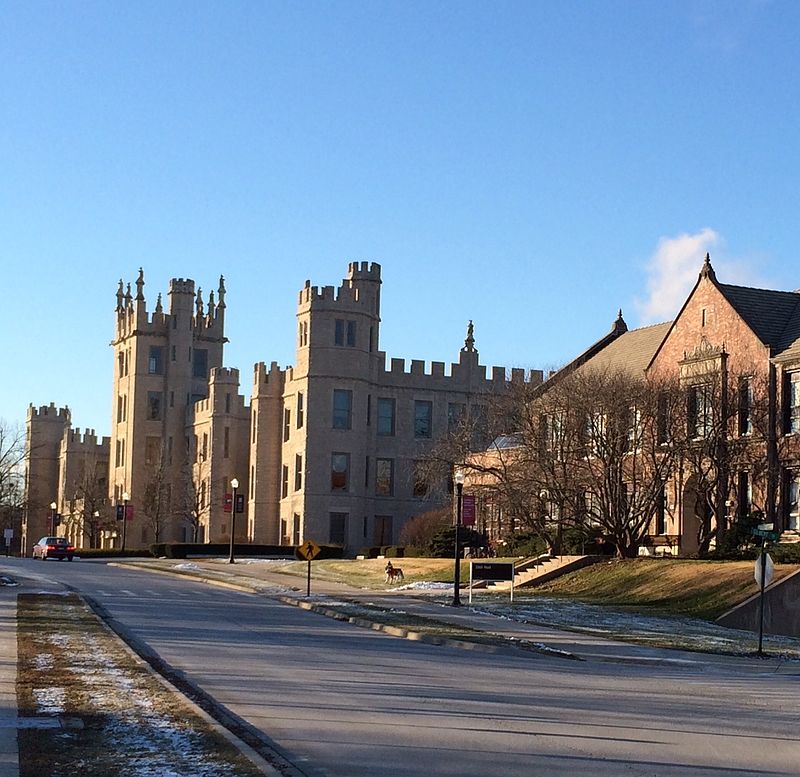
Located in DeKalb, Illinois, Northern Illinois University’s psychology department offers six distinct areas of study, from clinical and cognitive to neuroscience and behavior, which is a wide range for an undergraduate program at this affordable price. Students base their coursework on scientific evidence rather than opinion, then get to test that training through departmental research projects. Graduates can specialize in clinical psychology, social psychology, or neuroscience and behavior, and undergrads can apply what they’ve learned by working at the on-campus Psychological Services Center. NIU is accredited by the Higher Learning Commission (regional). Visit the NIU psychology department for program details.
2. University of Cincinnati
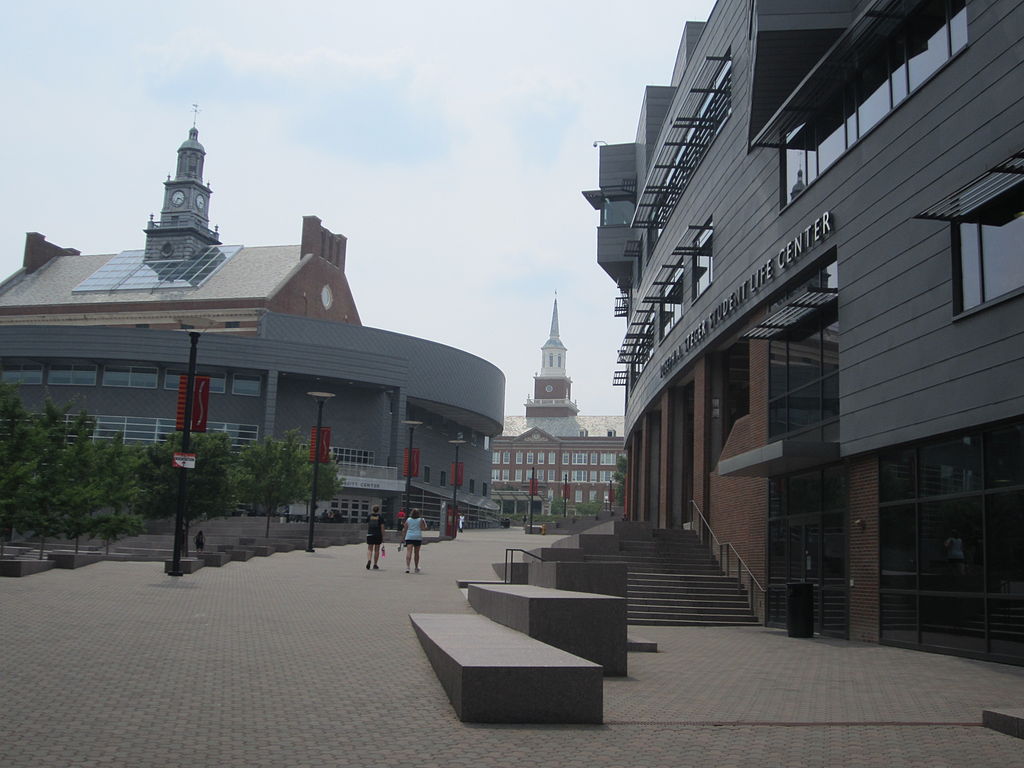
The University of Cincinnati lets psychology majors build a foundation in data analysis and research methods, then choose their own direction. The EMERGE Program helps ethnic minorities prepare specifically for graduate school, and Women in Science and Engineering supports female students and faculty through mentorships and outreach. Every student has a standing invitation to explore research opportunities and student organizations, not just those who already know how to ask. UC is accredited by the Higher Learning Commission (regional). Visit the UC psychology department for program details.
3. University of Illinois Chicago
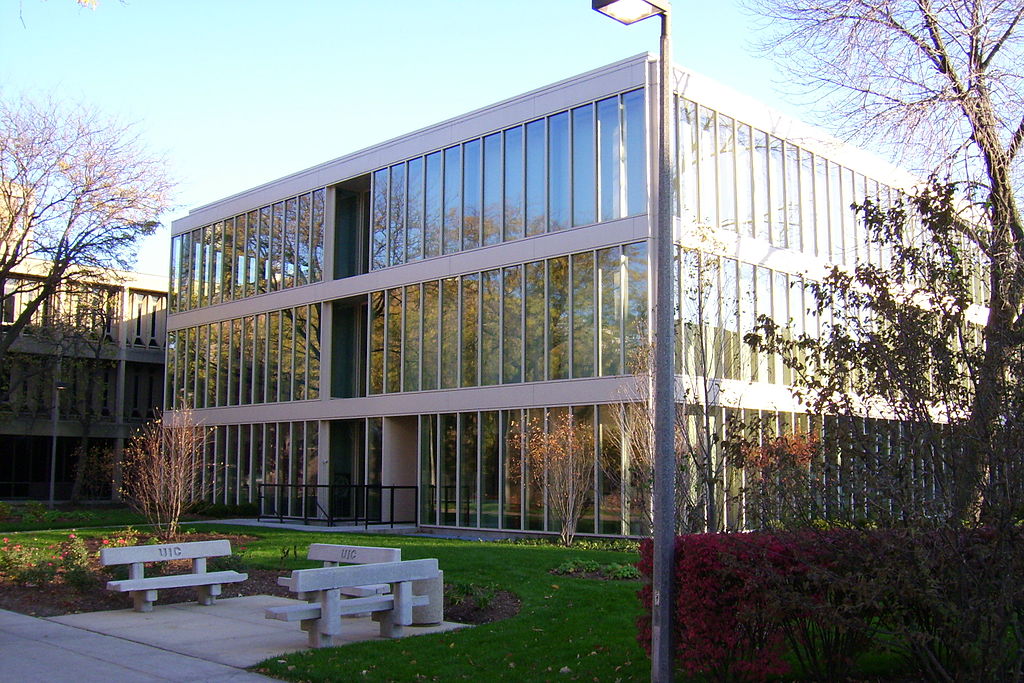
UIC’s psychology program takes an interdisciplinary approach, drawing in the university’s Colleges of Education, Medicine, and Engineering, so undergrads see how psychology connects to other fields rather than studying it in isolation. That structure gives students exposure to research collaborations that most standalone psychology departments can’t offer at this price point. UIC is accredited by the Higher Learning Commission (regional). Visit the UIC psychology department for program details.
4. Michigan Technological University
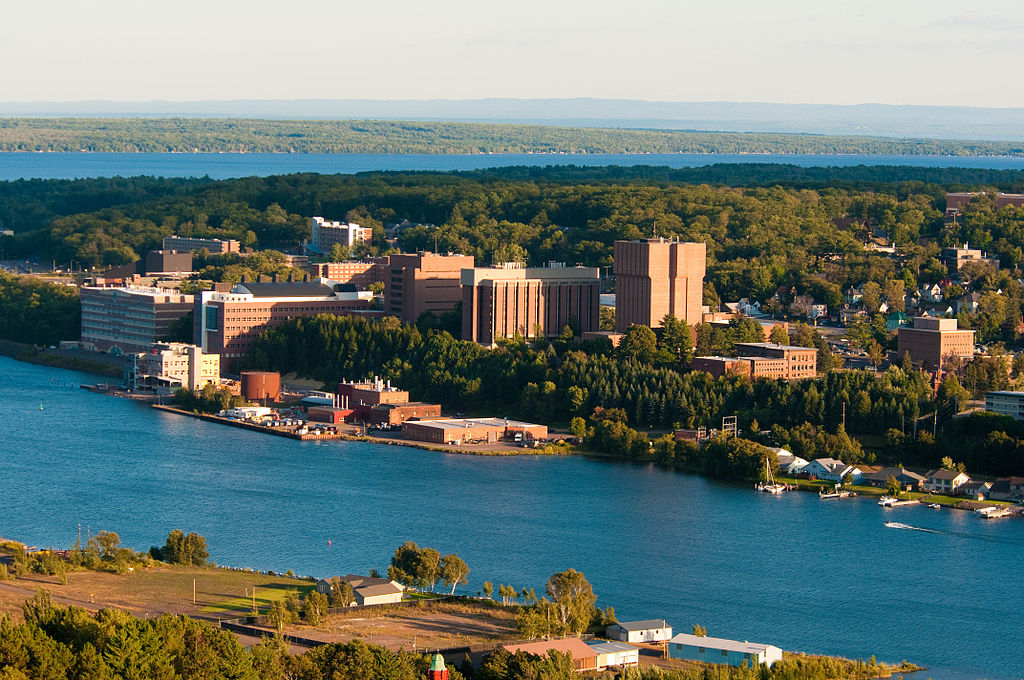
Michigan Tech houses psychology inside its Department of Psychology and Human Factors, which is a good sign if you want a program that leans technical. Undergrads gain access to research facilities that most psychology departments don’t have, including a driving simulator, a law-enforcement shooting simulator, and eye-movement and motion-tracking systems, alongside coursework in cognitive engineering and human-technology interaction. Michigan Tech is accredited by the Higher Learning Commission (regional). Visit the Michigan Tech psychology program for details.
5. William Jewell College
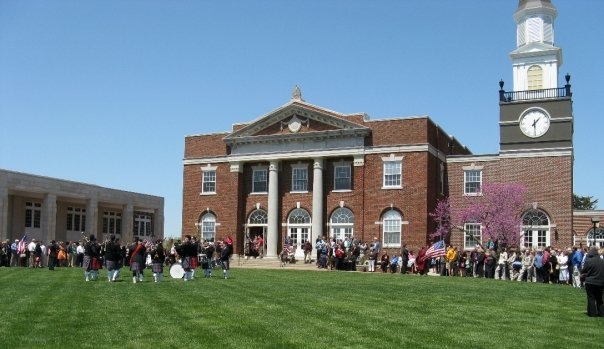
William Jewell College gives psychology majors the chance to collaborate directly with professors on research projects and coauthor papers for national conferences, with a built-in regional outlet at the Great Plains Student Psychology Conference. Class sizes are small enough that faculty give one-on-one career guidance, and dual-degree options are available if you want to pair psychology with another field. William Jewell is accredited by the Higher Learning Commission (regional). Visit the William Jewell psychological science program for details.
6. Central College
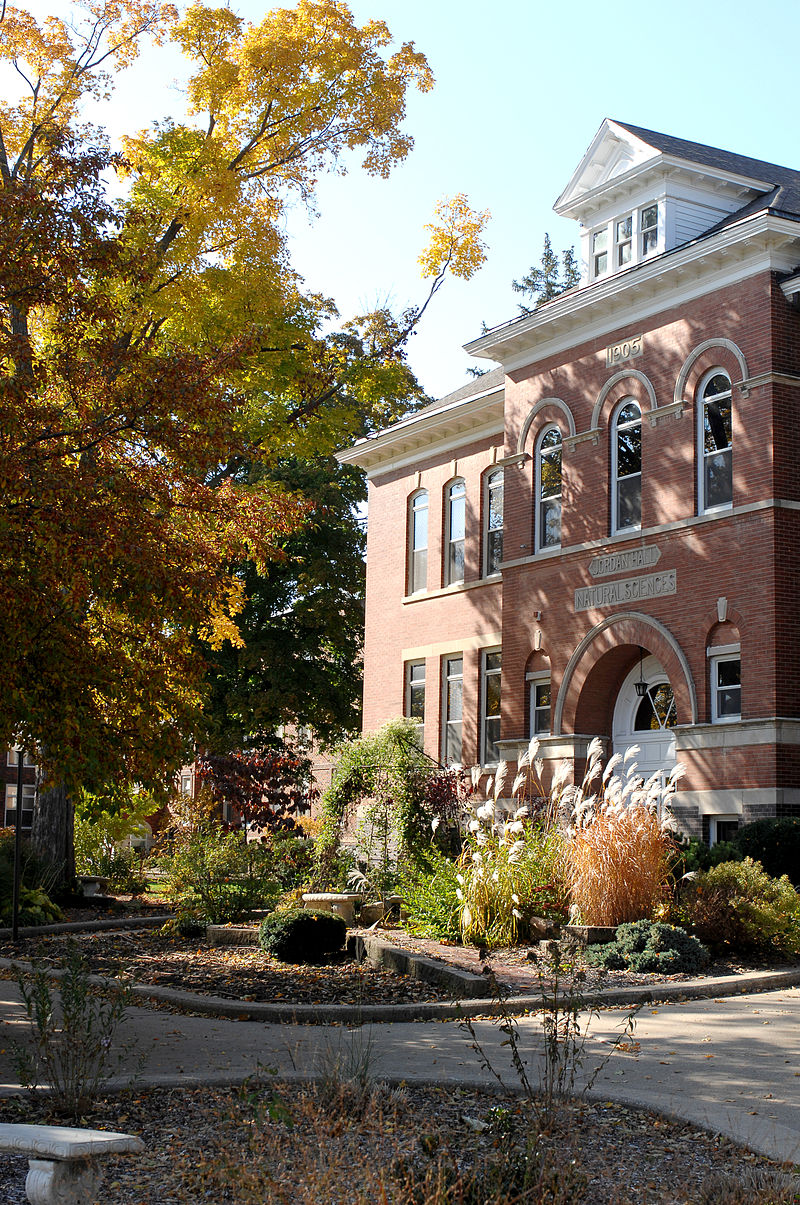
Central College in Pella, Iowa, gets students involved in service projects, research, and conferences early, so the work feels like actual psychology rather than prerequisite courses. By junior year, majors are running their own research and presenting it at the Central College Psychology Symposium. Many also present alongside professional psychologists at the Midwestern Psychological Association convention in Chicago, which is a real conference credit to have before you’ve even graduated. Central College is accredited by the Higher Learning Commission (regional). Visit the Central College psychology program for details.
7. Creighton University
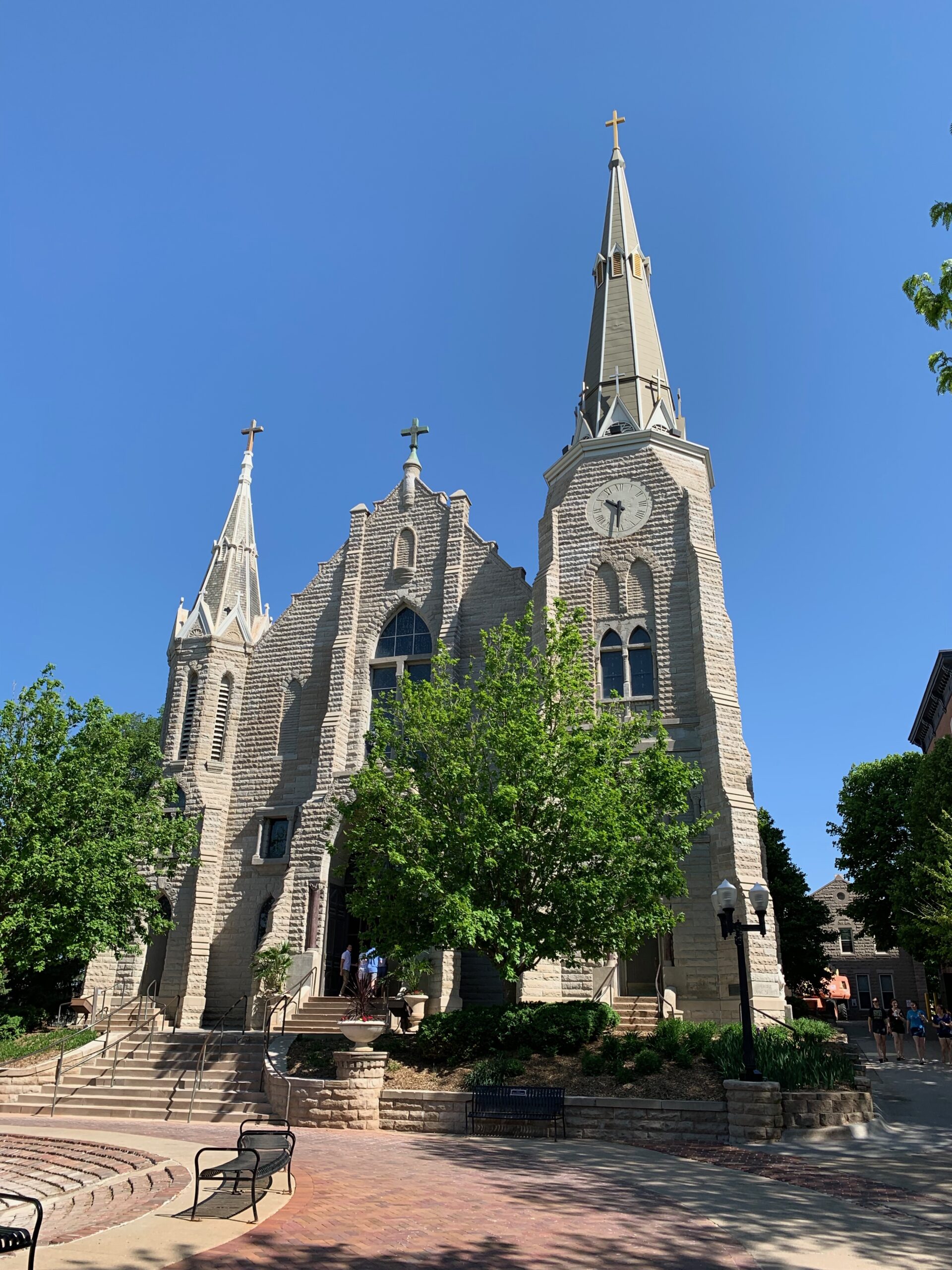
Creighton University, a Jesuit university in Omaha, Nebraska, offers a Bachelor of Science in Psychological Science and a behavioral and cognitive neuroscience minor for students who want to delve deeper into the biological side of the field. Creighton pairs students with faculty on research projects from initial design through presentation and publication, and its campus-wide Center for Undergraduate Research and Scholarship funds more than 40 summer research fellowships each year, open to psychology majors as well as students in every other department. Creighton is accredited by the Higher Learning Commission (regional). Visit the Creighton psychological science program for details.
8. DePauw University
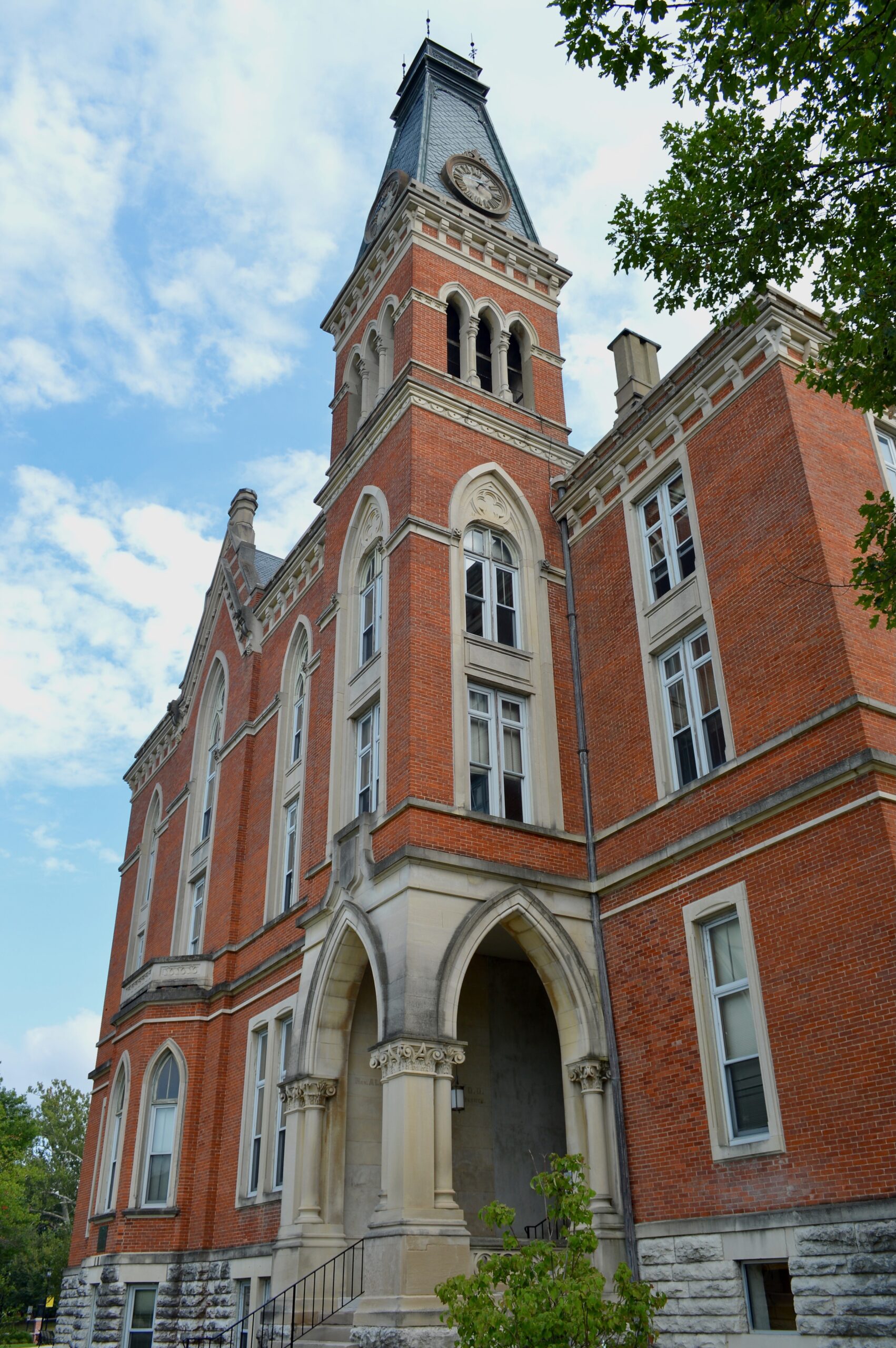
DePauw, a liberal arts college in Greencastle, Indiana, houses psychology within its Department of Psychology and Neuroscience and offers every major a choice: either a two-semester empirical thesis or a one-semester integrative literature review, both of which count toward the same senior capstone requirement. DePauw is a member of Colleges That Change Lives, a network built around student-centered undergraduate teaching, and its Asher Office of Undergraduate Research backs students who want to present or publish before they graduate. DePauw is accredited by the Higher Learning Commission (regional). Visit the DePauw psychology and neuroscience program for details.
9. Marquette University
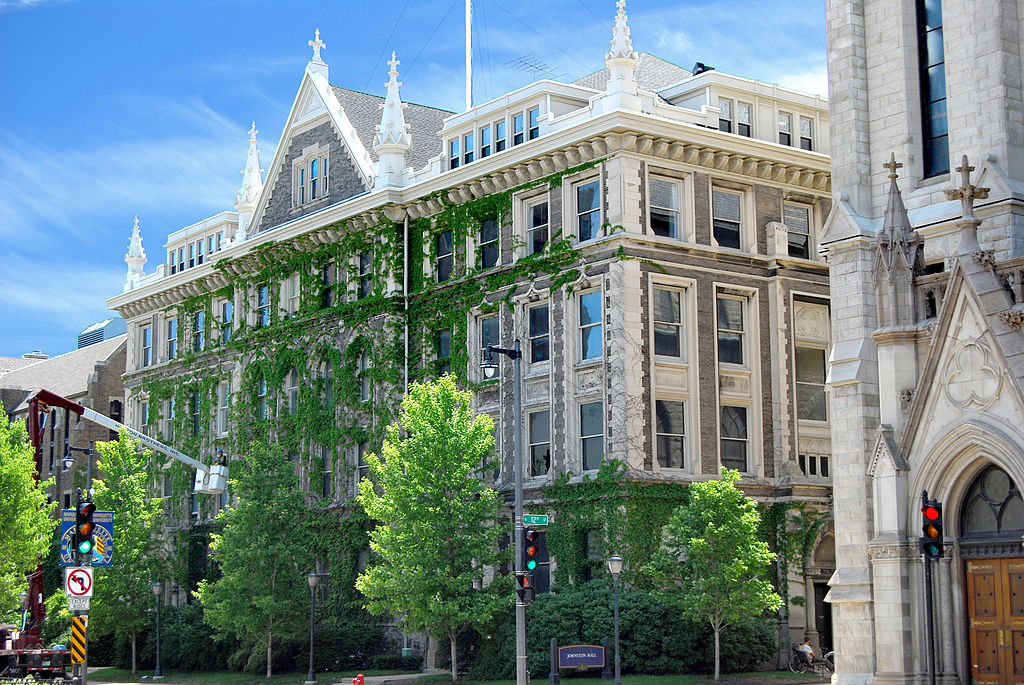
Marquette’s psychology department in Milwaukee, Wisconsin, places a strong emphasis on diversity, both in the psychology courses offered and in the backgrounds of its faculty and students. Majors can individualize their coursework around whichever career or graduate program they’re aiming for. The on-campus Center for Psychological Services provides graduate students with supervised clinical hours while offering low-cost treatment to the Milwaukee community, and undergrads get to see that pipeline firsthand. Marquette is accredited by the Higher Learning Commission (regional). Visit the Marquette psychology department for details.
10. University of St. Thomas
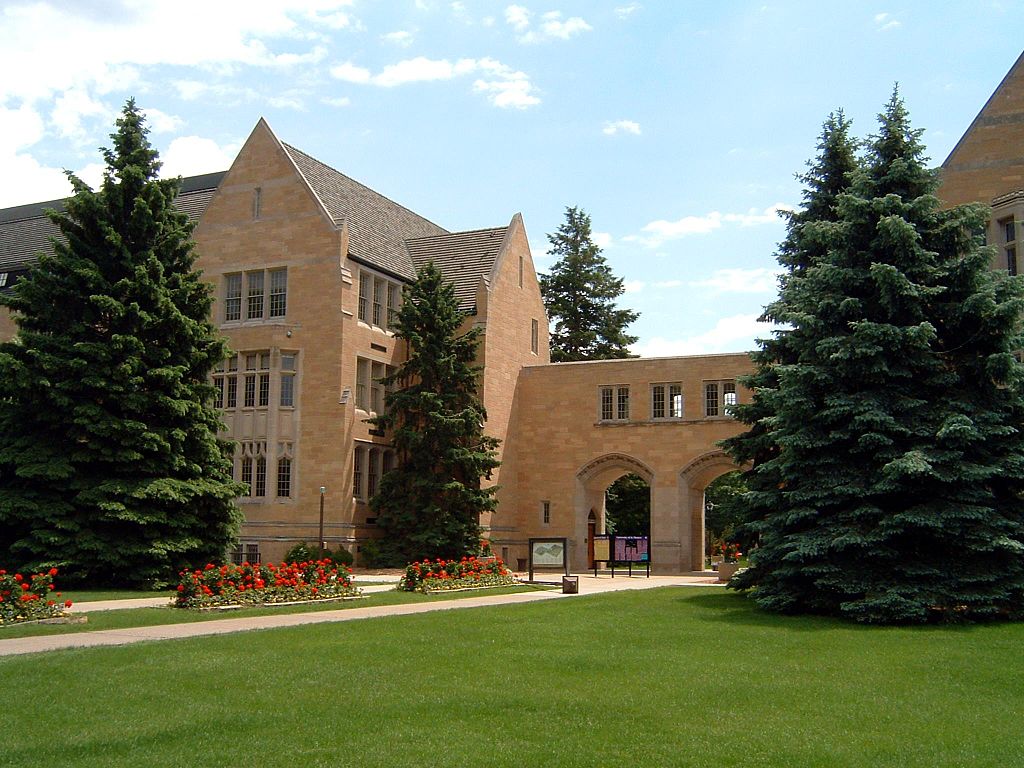
The University of St. Thomas, in Saint Paul, Minnesota, pushes psychology majors to think critically and apply that thinking outside the classroom, often by integrating psychology coursework with other departments, such as neuroscience or women’s studies, to tackle questions that don’t fit neatly into a single subject. Many students present research at the annual Minnesota Undergraduate Psychology Conference, and the strongest projects go on to regional and national conferences. St. Thomas is accredited by the Higher Learning Commission (regional). Visit the St. Thomas psychology department for details.
What to Look For in an Up-and-Coming Psychology Program
If you’re weighing options beyond this list, skip the name recognition and check these four things instead.
- Regional accreditation. Confirm that the school holds accreditation from a recognized regional body, such as the HLC. That status is what makes your credits transferable and your degree recognized by graduate programs.
- Actual research access, not just a lab on the brochure. Ask whether undergrads work directly with faculty on research, or whether that opportunity is reserved for grad students.
- Faculty who know your name. A smaller program with a low student-to-faculty ratio often means more mentorship, more letters of recommendation that actually say something specific, and less getting lost in a lecture hall of 300.
- The real cost, not the sticker price. Look up each school’s net price calculator before you rule a program out on tuition alone. Financial aid can close the gap more than you’d expect.
Frequently Asked Questions
Do I need to go to a big-name school to get into a good psychology graduate program?
No. Graduate admissions committees weigh your GPA, research experience, and letters of recommendation far more heavily than the name on your undergraduate diploma. A strong record at a smaller, less famous school can outperform a mediocre one at a well-known university.
Is a psychology degree from a regionally accredited school respected by employers and grad schools?
Yes, as long as the school holds regional accreditation from a recognized accreditor such as the Higher Learning Commission. Every school on this list is HLC-accredited. One thing worth knowing: the American Psychological Association accredits only doctoral programs, so no bachelor’s degree at any school is ever “APA-accredited.” At the undergraduate level, institutional accreditation is the credential that matters.
What research opportunities should I look for in an undergraduate psychology program?
Look for programs where undergrads can work directly alongside faculty on active research, not just read about studies in a textbook. A senior thesis requirement, an undergraduate research symposium, or funded travel to present at a professional conference are all strong signs that a program takes undergraduate research seriously.
What jobs can I get with a bachelor’s degree in psychology from one of these schools?
A bachelor’s in psychology on its own qualifies you for entry-level roles in human resources, case management, market research, and social services, and it’s the required first step toward any graduate program in clinical, counseling, or school psychology. The specific school matters less here than the coursework and experience you build while you’re there.
How much does an undergraduate psychology degree cost at a Midwest school?
It varies widely even within this one list, from around $13,600 a year at public universities like Northern Illinois to over $61,000 a year at private colleges like DePauw. Public in-state tuition is almost always the most affordable option if cost is your deciding factor. Still, private schools often have more institutional aid available than their sticker prices suggest.