
The University of Oregon offers a PhD in School Psychology through its College of Education. The program is accredited by the American Psychological Association and the Northwest Commission on Colleges and Universities (NWCCU). UO is a public research university in Eugene, Oregon, founded in 1876.


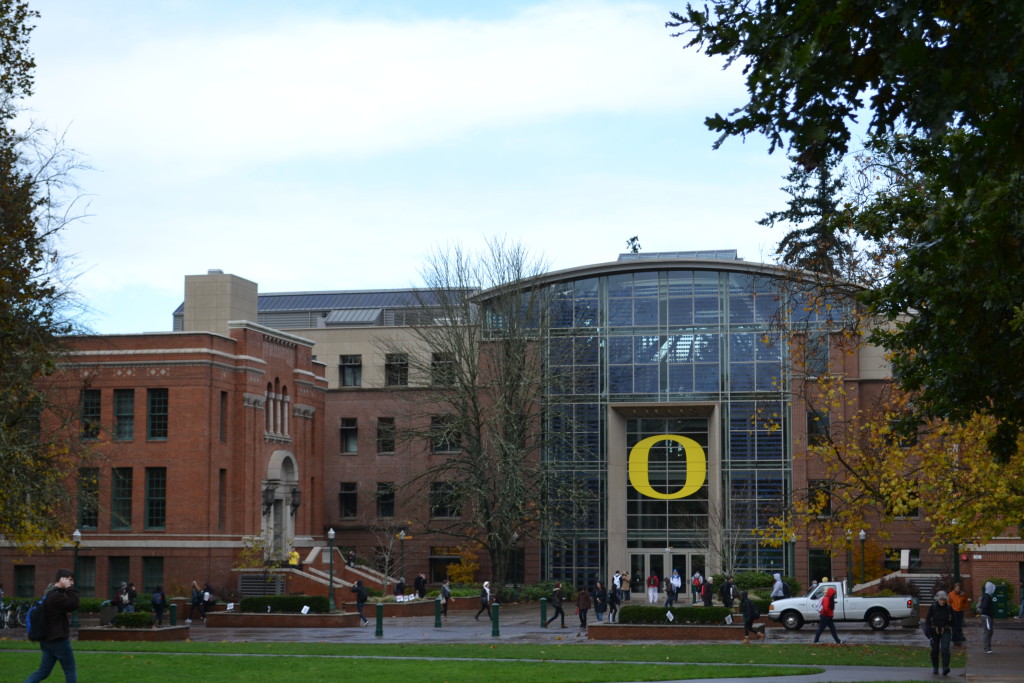
The University of Oregon opened in Eugene in 1876 and has grown into one of the Pacific Northwest’s major public research institutions. Its psychology training is primarily at the doctoral level, with the College of Education home to the APA- and NASP-accredited School Psychology PhD.
Accreditation Details
The University of Oregon holds regional accreditation from the Northwest Commission on Colleges and Universities (NWCCU). Its PhD program in School Psychology is accredited by both the American Psychological Association (APA) and the National Association of School Psychologists (NASP). APA accreditation at the doctoral level signals that the program meets national standards for psychology training, supervised practice hours, and clinical preparation — and it matters for licensure, since many state boards require graduation from an APA-accredited program to sit for the EPPP.
Application Requirements
Graduate applicants to the University of Oregon’s School Psychology PhD program typically need to submit official transcripts, a statement of purpose, and letters of recommendation. Applicants should review the current admissions requirements on the program website, as testing requirements may change.
Tuition and Financial Aid
Tuition at the University of Oregon varies by residency status and credit load. Graduate resident and non-resident rates differ substantially — verify current per-credit figures with the university’s Office of the Registrar before making enrollment decisions, as the rates below require verification.
The College of Education offers doctoral students access to teaching fellow positions and donor-funded scholarship awards. Pathway Oregon provides full tuition and fee coverage for Pell-eligible undergraduates who maintain a qualifying GPA. Graduate students should contact the financial aid office directly to confirm which programs apply to their enrollment status.
Psychology Programs at the University of Oregon
PhD in School Psychology
The University of Oregon’s PhD in School Psychology prepares graduates for roles in educational settings, research institutions, and licensed practice. The program follows a scientist-practitioner model and covers coursework in individual assessment, human development, psychopathology, learning and instruction, research design, and statistics.
Doctoral students complete extensive supervised practicum experiences followed by a 1,500-hour predoctoral internship. Graduates are prepared to meet state board licensure requirements for psychologists and are eligible to apply for the Nationally Certified School Psychologist (NCSP) credential through NASP, subject to current certification requirements.
Students interested in APA-accredited doctoral programs in psychology should also explore related program options using the search tool below.
Looking for accredited psychology programs? Search by state to find application links, tuition details, and licensing requirements for your area.