
To become a sex therapist, you need a graduate degree in a licensed clinical field: a master’s in counseling, social work, or marriage and family therapy, or a doctoral degree in clinical psychology. AASECT certification then requires completing sexuality education hours, supervised clinical experience with sexual health clients, and a formal application. State licensure in your clinical field comes first.


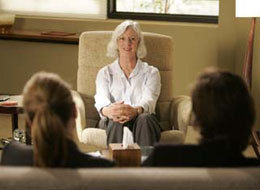 Sex therapy is a clinical specialty built on top of an existing license, not a standalone degree program. You earn a graduate degree, get licensed in your clinical field, and then pursue the sexuality-specific training and supervised hours that the American Association of Sexuality Educators, Counselors, and Therapists (AASECT) requires for certification. If you’re still working out what a sex therapist actually does, that’s worth reading before you map out your training route.
What degree do you need to become a sex therapist?
You need a graduate degree that leads to clinical licensure in psychotherapy. A master’s in counseling, social work, or marriage and family therapy qualifies, as does a doctoral degree in clinical psychology. AASECT requires that your degree come from a regionally accredited institution and lead to an active state license to practice psychotherapy independently.
The post-degree experience requirement depends on your degree level. Master’s-level applicants must have 2 years of post-degree clinical experience before applying. Doctoral applicants need one year. That base licensure and experience is what legally allows you to practice, and sex therapy specialization layers on top of it.
If you haven’t chosen a graduate program yet, online master’s degree programs in counseling, marriage and family therapy, or social work can provide the clinical foundation you’ll need.
What sex therapy training does AASECT require?
AASECT certification requires 150 hours of sexuality-focused education, split into two categories: 90 hours covering Core Knowledge Areas in human sexuality and 60 hours of sex therapy-specific training. The core curriculum spans ethics, developmental sexuality, gender and sexual orientation, anatomy and physiology, sexual dysfunction, assessment, treatment approaches, and diversity in sexual expression.
This training must come from a regionally accredited university, a nationally accredited faith-based institution, or an AASECT-approved continuing education provider. Standard graduate clinical coursework doesn’t count toward it unless it specifically covers these areas.
AASECT maintains a directory of approved training providers on their website. Most people complete the required hours through a combination of workshops, certificate programs, and university coursework rather than a single program. It’s common to work through this phase while already practicing in your licensed clinical field.
How much supervised experience do you need?
Beyond the education hours, AASECT certification requires 300 hours of clinical treatment with clients who present sexual health concerns, completed while under a formal supervision contract with an AASECT Certified Sex Therapist Supervisor. You also need 50 hours of supervision with that supervisor, with at least 25 of those hours in individual one-on-one sessions.
General therapy hours with clients who don’t present sexual health concerns don’t count toward this requirement. You must also maintain an active AASECT membership throughout your entire supervision period.
How do you apply for AASECT certification?
Once you’ve met the education and supervised experience requirements, you submit a formal application through AASECT. The application includes transcripts, a current resume or CV, documentation of your supervised clinical hours, endorsement forms and letters from your supervisor and two professional colleagues, and a copy of your active state license.
There’s an application fee. Check the AASECT website directly for the current figure before you apply.
Once AASECT reviews and approves your application, you receive certification. Renewal requires continuing education on a schedule AASECT specifies.
Select your state below to find accredited master’s and doctoral programs in counseling and clinical psychology that can prepare you for a career as a sex therapist.