
The Chicago School of Professional Psychology offers graduate-level psychology programs including an MA in Sport and Exercise Psychology and doctoral training in clinical psychology, with campuses in Chicago, Los Angeles, and Washington, D.C. The school holds institutional accreditation from WSCUC and APA programmatic accreditation for its doctoral clinical psychology program.


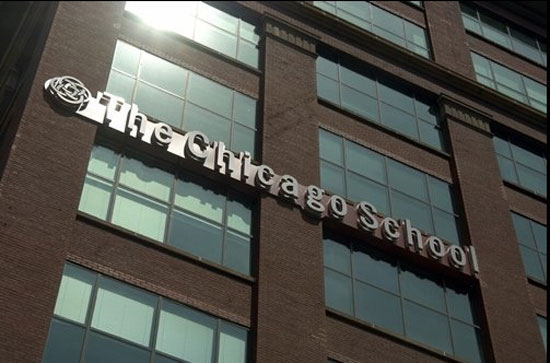
The Chicago School of Professional Psychology was founded in 1979 as a graduate institution focused exclusively on professional psychology education. Its main campus is in Chicago, Illinois, with additional locations in Los Angeles and Washington, D.C. Unlike broad-enrollment universities, the school’s entire curriculum centers on psychology and applied behavioral science.
Accreditation Details
The Chicago School holds institutional accreditation from the WASC Senior College and University Commission (WSCUC). Its doctoral program in clinical psychology holds programmatic accreditation from the American Psychological Association (APA-CoA). APA accreditation at the doctoral level is the standard most state psychology boards look for when evaluating whether a graduate qualifies to sit for the EPPP.
Application Requirements
Applicants must hold a bachelor’s degree from an accredited U.S. institution. A social science background isn’t required for all programs, but the MA in Sport and Exercise Psychology asks for at least two years of related work experience after your bachelor’s degree. If you don’t have that experience, the school may allow you to complete introductory coursework before beginning the program.
The application includes a personal statement, official transcripts, and a resume. Letters of recommendation are not required. Applications are submitted online with an application fee of $50 [EDITOR: verify the current fee on the admissions page before publishing].
Tuition and Financial Aid
Tuition is charged on a per-credit basis and varies by program [EDITOR: insert current per-credit rate and applicable program fees before publishing]. Additional semester fees apply; confirm current institutional fees with the school’s student accounts office before publishing.
Merit-based scholarships may be available to qualified applicants [EDITOR: verify whether the merit scholarship program is still active and confirm current eligibility criteria — GRE-based eligibility language has been removed pending verification]. Federal financial aid is available through FAFSA. Eligible students can access unsubsidized federal loans and alternative private loans. Dependent students may also qualify for Parent PLUS loans.
Psychology Programs at The Chicago School of Professional Psychology
The Chicago School offers graduate programs at the master’s and doctoral levels. All programs emphasize applied professional practice; doctoral tracks also require research and dissertation work.
Master of Arts in Sport and Exercise Psychology
The MA in Sport and Exercise Psychology is available online and is designed for students planning to work with athletes, coaches, and performance-focused clients. Coursework covers motivation, anxiety management, visualization, and team dynamics. The program is structured around [EDITOR: verify current credit hour total and curriculum breakdown] credit hours. Completion timelines vary by enrollment pace [EDITOR: verify part-time and accelerated timelines before publishing].
If you want to compare this program against other options, see our full list of online sports psychology degree programs.
Doctoral Programs in Clinical Psychology
The Chicago School offers doctoral training in clinical psychology [EDITOR: update to reflect current degree types (PsyD/PhD), available campus and online formats, and current APA accreditation status by program and location before publishing]. Doctoral graduates meet the training requirements most state boards recognize for licensure as a psychologist, including eligibility to sit for the EPPP. Programs combine supervised clinical hours with coursework and dissertation requirements.
For students weighing doctoral training against a master’s entry point, our guide to clinical psychology master’s programs covers 50 accredited options with tuition data.
Use the search below to compare accredited psychology programs by state, degree level, and concentration.