The best up-and-coming psychology programs in the East combine strong faculty research, real hands-on experience, and a price tag that won’t wreck your budget. This guide ranks 10 accredited undergraduate programs from Michigan to Massachusetts, chosen for research opportunities, internships, and facility investment rather than name recognition alone, with the more affordable option ranked higher when scores tie.


 You’ve probably already looked at the usual suspects, Harvard, Yale, Princeton, the schools every psychology list leads with. Great programs, sure, but they’re also the ones everybody already knows about. We wanted to find the schools flying under the radar that are actually stepping up their psychology programs right now: adding research opportunities, renovating labs, and building the kind of hands-on experience that looks good on a grad school application. “Up and coming” is our own editorial call, not a designation from the APA, U.S. News, or any outside ranking body, so we scored 10 East Coast undergraduate programs ourselves across 11 factors, from research opportunities to internships to campus investment, and ranked them here. Where two schools tied, we bumped the more affordable one higher.
BA or BS in Psychology? Here’s What Actually Changes
Every school on this list teaches the same core psychology: research methods, statistics, developmental psychology, social psychology. The BA/BS label doesn’t change that foundation; it changes the electives layered on top. A BA usually leaves more room for a language requirement, a minor, or coursework outside the sciences. A BS typically swaps some of that flexibility for extra math, biology, or lab science credits, which can matter if you’re eyeing a research-heavy or clinical doctoral program down the road.
Neither track is the “better” degree. Graduate programs care far more about your GPA, research experience, and letters of recommendation than whether your diploma says BA or BS. If a school on this list only offers one option, check their program page (linked in each write-up below) before you rule anything out. Four of the schools below are in Pennsylvania alone, so if a doctoral degree is the eventual goal, our guide to psychology doctoral programs in Pennsylvania is worth a look, too.
10 Up-and-Coming Psychology Programs in the East at a Glance
All 10 schools below carry institutional accreditation, but the type matters; we break down regional versus national accreditation in the “What to Look For” section. Tuition figures are current sticker prices before financial aid and change every year, so confirm the latest number directly on each school’s site before you apply.
| School | Focus | Tuition (Per Year) | Accreditation |
|---|---|---|---|
| 10. Kalamazoo College | Small classes, community fieldwork placements | ~$66,308 (2026-27) | Regional (HLC) |
| 9. Northeastern University | Co-op work terms, Interdisciplinary Clusters | ~$69,289 (2025-26 rate, most recent published) | Regional (NECHE) |
| 8. Ursinus College | Grad-level internship placements | ~$62,164 (2025-26 rate, tuition alone confirmed unchanged for 2026-27) | Regional (MSCHE) |
| 7. Allegheny College | Community-based internship placements | ~$58,120 (2025-26 rate, most recent published) | Regional (MSCHE) |
| 6. Drexel University | Faculty research pipeline into doctoral programs | ~$65,498 (2026-27) | Regional (MSCHE) |
| 5. Carnegie Mellon University | Cognitive science, cross-department AI research | ~$69,702 (2026-27 tuition, plus mandatory fees) | Regional (MSCHE) |
| 4. George Mason University | Applied research, community psychological services | ~$14,712 in-state / ~$39,180 out-of-state (2026-27) | Regional (SACSCOC) |
| 3. University of Maryland, Baltimore County | Concentration tracks, peer mentoring | ~$14,086 in-state / ~$34,183 out-of-state (2026-27) | Regional (MSCHE) |
| 2. Boston University | Directed Study research, Child Development Labs | ~$74,594 (2026-27) | Regional (NECHE) |
| 1. Indiana University Indianapolis | Cross-discipline research corridor, Service Learning | ~$10,760 in-state / ~$35,566 out-of-state (2026-27) | Regional (HLC) |
10. Kalamazoo College
Kalamazoo, Michigan
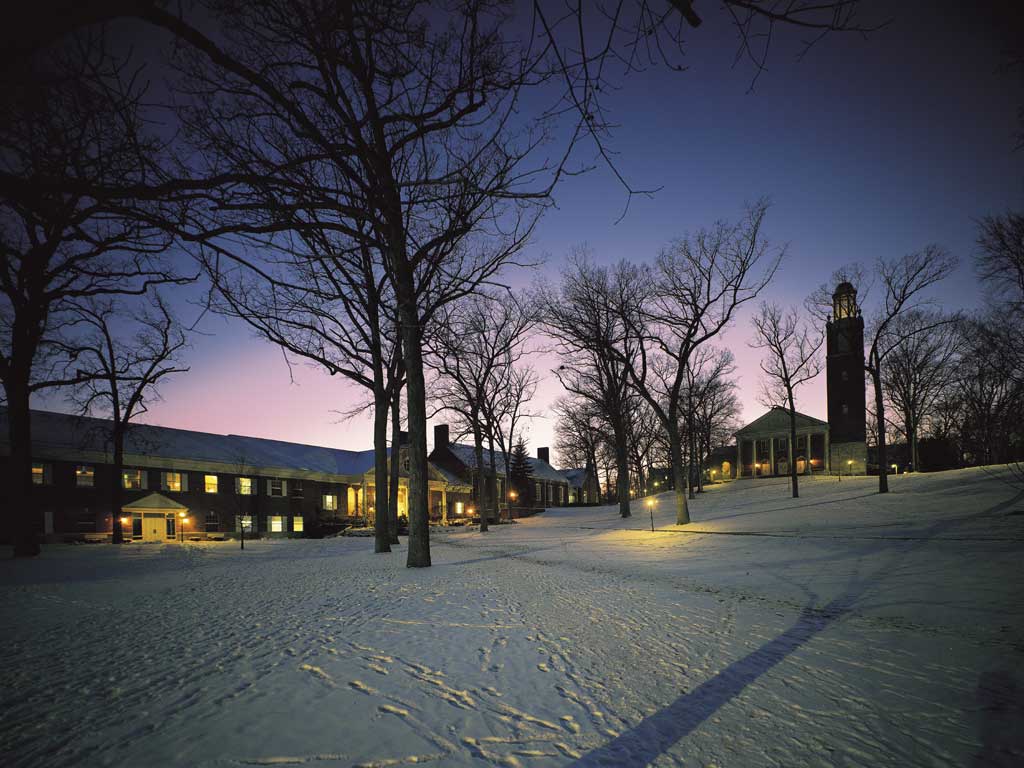
Kalamazoo College keeps psychology classes small enough that you’ll actually get face time with faculty, not just a seat in a lecture hall. Majors work directly in the community: local schools, a domestic abuse shelter, and the county juvenile home are all placement sites. Every student finishes with a Senior Individualized Project, essentially a mini-thesis presented at a public symposium each spring, giving you a real research credential before you’ve even applied to grad school.
Tuition: ~$66,308/year (2026-27).
Accreditation: Higher Learning Commission (HLC), regional.
Kalamazoo College Psychology Department
9. Northeastern University
Boston, Massachusetts
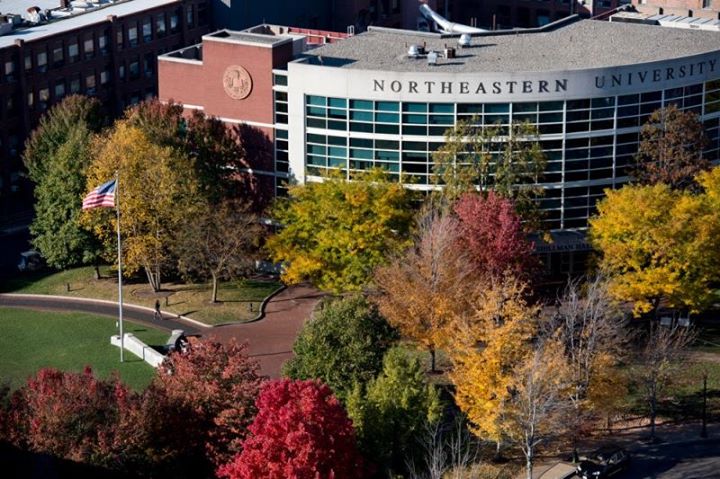
Northeastern built its reputation on co-op, and psychology majors get the same paid work terms as every other student here, on top of research opportunities both on campus and around Boston. If you can’t decide which corner of psychology interests you, the Interdisciplinary Cluster option lets you combine three related areas, perception, cognition, behavioral neuroscience, and social psychology, which show up most often, into one focused course of study.
Tuition: ~$69,289/year.
Accreditation: New England Commission of Higher Education (NECHE), regional.
Northeastern University Psychology Department
8. Ursinus College
Collegeville, Pennsylvania
Ursinus sends psychology majors into internships that most schools reserve for grad students: day care centers, nursing homes, and rehabilitation centers among them. Undergrads regularly co-publish research with faculty and present it at conferences, and the college’s Independent Learning Experience opens the door to summer research, student teaching, or study abroad as part of the degree.
Tuition: ~$62,164/year (2025-26). The college has confirmed the $61,500 tuition figure is unchanged for 2026-27.
Accreditation: Middle States Commission on Higher Education (MSCHE), regional.
Ursinus College Psychology Department
7. Allegheny College
Meadville, Pennsylvania
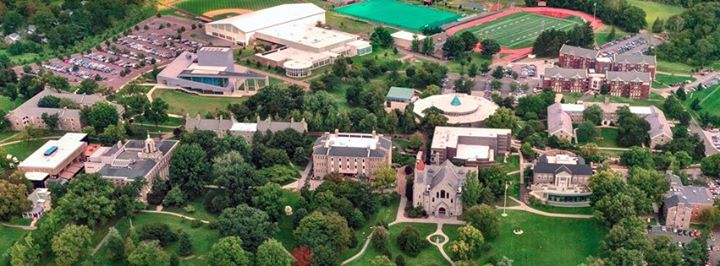
Allegheny’s psychology program balances breadth with depth: you’ll get a wide view of the field alongside real specialization in whatever interests you, including animal behavior research alongside the human-focused coursework. The department places upper-level majors in internships around Crawford County, including the Crawford County Center for Mental Health Awareness, Meadville Medical Center’s Department of Active Aging, and a state correctional institution, and every student finishes with a Senior Comprehensive Project that puts everything they’ve learned in front of a real audience, including potential employers.
Tuition: ~$58,120/year (2025-26 rate, most recent published).
Accreditation: Middle States Commission on Higher Education (MSCHE), regional.
Allegheny College Psychology Labs
6. Drexel University
Philadelphia, Pennsylvania
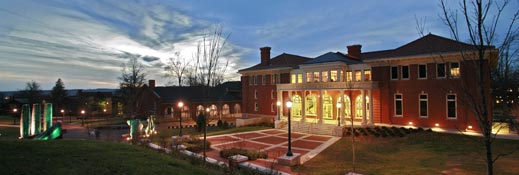
Drexel undergrads study brain and behavior in the university’s Department of Psychological and Brain Sciences (recently renamed from the Psychology Department), working alongside faculty actively publishing in neuropsychology, forensic psychology, and clinical psychology, not just teaching from a textbook. The department’s research momentum carries all the way through to its own Clinical Psychology and Applied Cognitive Brain Sciences doctoral programs, so if you want a school where undergraduate research could plausibly lead somewhere, this is one of them.
Tuition: ~$65,498/year (2026-27: $63,078 tuition + $2,420 fees).
Accreditation: Middle States Commission on Higher Education (MSCHE), regional.
Drexel University Psychology Department
5. Carnegie Mellon University
Pittsburgh, Pennsylvania
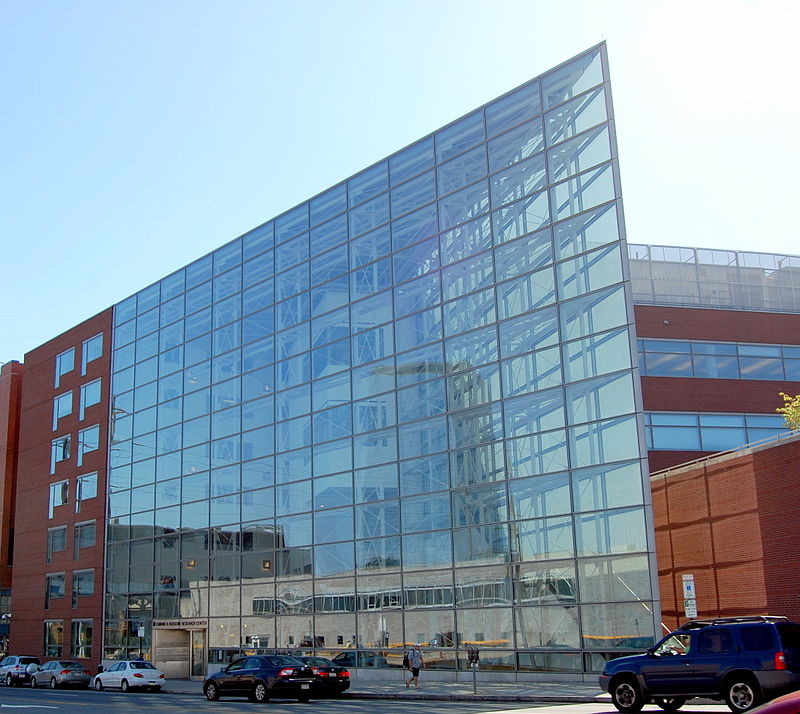
Carnegie Mellon’s psychology department leans hard into cognitive science and artificial intelligence, unsurprising for a school this deep in computer science, and undergrads get to work across departmental lines with the School of Computer Science and the College of Humanities and Social Sciences. The Children’s School, a facility where researchers study preschoolers’ development in a real classroom setting, gives undergrads a rare shot at studying early childhood development up close instead of just reading about it.
Tuition: ~$69,702/year (2026-27 tuition, plus mandatory fees).
Accreditation: Middle States Commission on Higher Education (MSCHE), regional.
Carnegie Mellon University Psychology Department
4. George Mason University
Fairfax, Virginia
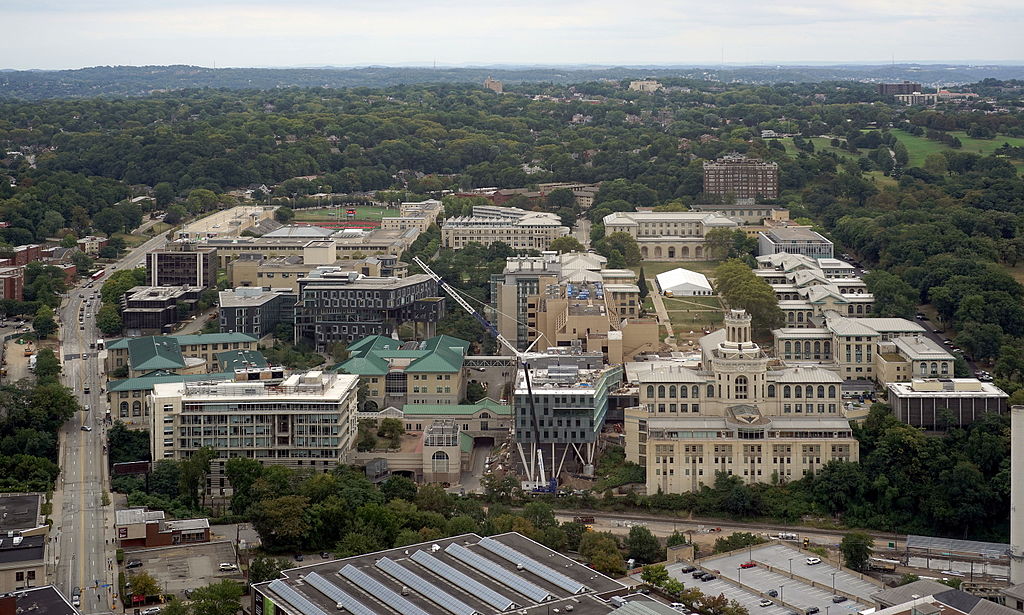
George Mason’s psychology department cares more about solving real problems than publishing for publishing’s sake. Undergrads work directly alongside graduate students researching organizational psychology, school psychology, and human factors, and the department’s Center for Community Mental Health (formerly the Center for Psychological Services) doubles as both a training ground for grad students and an actual mental health resource for the Northern Virginia community.
Tuition: ~$14,712/year in-state, ~$39,180/year out-of-state (2026-27, per the Board of Visitors’ May 2026-approved increase).
Accreditation: Southern Association of Colleges and Schools Commission on Colleges (SACSCOC), regional.
George Mason University Psychology Department
3. University of Maryland, Baltimore County
Baltimore, Maryland
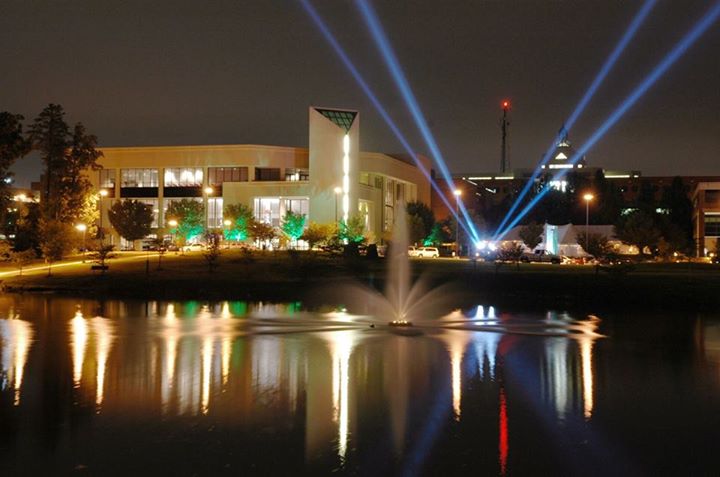
UMBC lets psychology majors pick a specialization. Biopsychology and Human Services Psychology are still offered, alongside newer additions in Developmental Psychology, Applied Behavior Analysis, and Diversity/Inclusion/Multicultural Psychology, so your coursework actually lines up with the career or grad program you’re aiming for instead of staying generic. A peer mentor program pairs you with other students for regular review and discussion sessions, and research and internship opportunities are available for undergrads who want them, with the department’s Psychology Training Clinic showing where that research experience can eventually lead.
Tuition: ~$14,086/year in-state, ~$34,183/year out-of-state (2026-27).
Accreditation: Middle States Commission on Higher Education (MSCHE), regional.
2. Boston University
Boston, Massachusetts
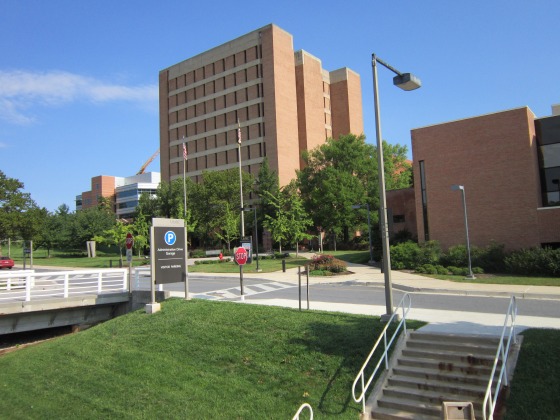
BU psychology majors, technically enrolled in the university’s Department of Psychological and Brain Sciences (renamed from Psychology in recent years), get a foundation solid enough for medicine as well as psychology, plus the flexibility to chase specific research interests through Directed Study. Past projects have covered neurological disorders, drug addiction, and early childhood temperament. The Child Development Labs focus specifically on child cognition and social development, and Psi Chi and the Undergraduate Psychology Association give you a built-in community of people who get why you picked this major.
Tuition: ~$74,594/year (2026-27: $73,024 tuition + $1,570 fees).
Accreditation: New England Commission of Higher Education (NECHE), regional.
Boston University Department of Psychological and Brain Sciences
1. Indiana University Indianapolis
Indianapolis, Indiana
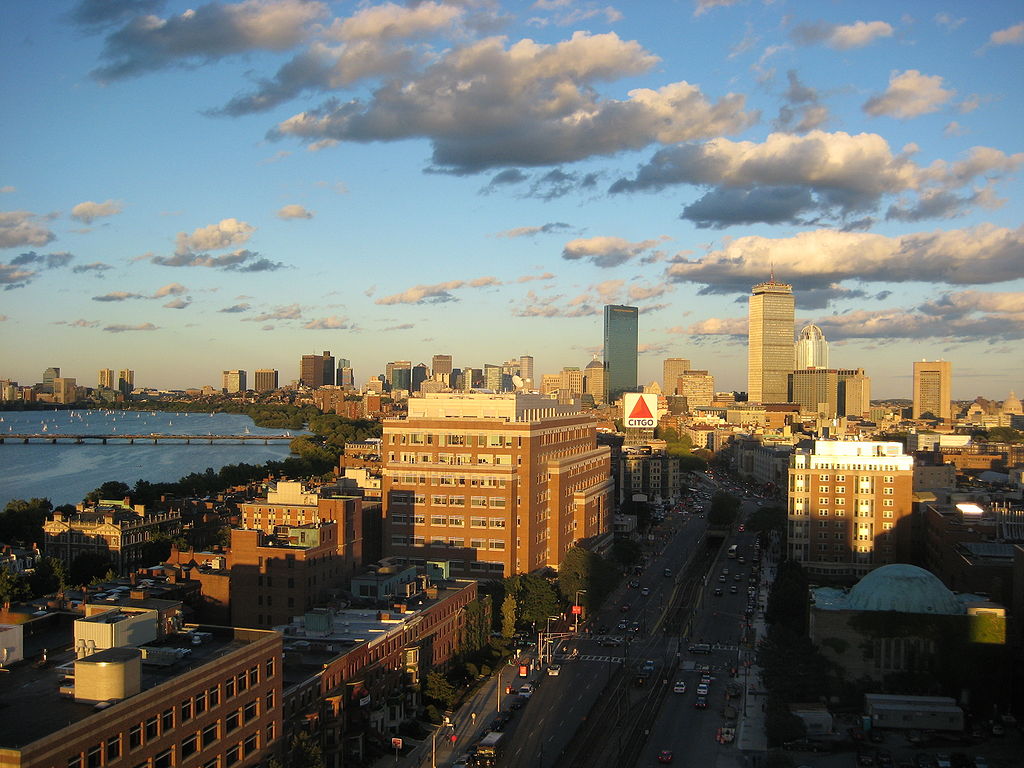
Indiana University Indianapolis, the school most people still know by its former name, IUPUI, sits in the middle of Indianapolis’s medical and research corridor, surrounded by hospitals, tech companies, and IU’s own schools of nursing, dentistry, and medicine. That location translates into real cross-discipline collaboration for undergrads, and the Interdisciplinary Studies Program lets you pair your psychology coursework with journalism, liberal arts, or another science if your interests don’t fit in one box. The RISE to the IU Indianapolis Challenge undergraduate research scholarship and Honors program add another layer of challenge, and Service Learning lets you apply psychology coursework directly in the community instead of waiting until after graduation.
Tuition: ~$10,760/year in-state, ~$35,566/year out-of-state (2026-27).
Accreditation: Higher Learning Commission (HLC), regional.
IU Indianapolis Psychology Department
What to Look For in an Up-and-Coming Psychology Program
We built this ranking around 11 factors: whether a school offers a master’s and/or doctoral program in psychology (a sign the department has real depth), hands-on teaching methods, modern research technology, recent facility investment, research opportunities, study abroad options, internships, affiliated research centers, student organizations, and a regular lecture or colloquium series, plus a point for anything that stood out on its own. Where schools tied, we ranked the more affordable option higher.
A few things worth checking yourself before you commit to any school on this list:
- Accreditation type: Regional accreditation (HLC, MSCHE, NECHE, SACSCOC) is what most employers and grad schools expect. A bachelor’s degree is never “APA-accredited”; the APA only accredits doctoral programs, so institutional accreditation is the whole story at this level.
- Concentration options: If you already know you want counseling, I/O psychology, or clinical work eventually, check whether the school offers a matching concentration or track.
- Research access as an undergrad: “Research opportunities” can mean anything from real lab work to filing paperwork. Ask current students or your admissions contact what undergrads actually do day to day.
- Sticker price versus net price: The tuition figures above are before financial aid. Every school on this list offers aid to most of its students, so run the numbers through each school’s net price calculator before ruling anything out on cost alone.
Frequently Asked Questions
What does “up and coming” mean for a psychology program?
It means a program that’s actively expanding: adding research opportunities, renovating labs, hiring faculty, or building new academic tracks, without yet having the name recognition of the Harvards and Yales of the psychology world. It’s not a formal ranking category; it’s our own read on where a department is headed, not just where it’s been.
Do I need to go to a famous school to get into a good psychology graduate program?
No. Graduate programs care far more about your GPA, research experience, and letters of recommendation than your undergraduate school’s name recognition. A strong research record from a smaller program can matter more to an admissions committee than a mediocre transcript from a big name.
Should I choose a BA or BS in psychology?
Neither track is objectively better. A BA usually leaves more room for electives outside the sciences, while a BS adds extra math or lab science credits that can help if you’re aiming for a research-heavy or clinical doctoral program later. Check which track a school actually offers before you rule it in or out.
Is institutional accreditation the same as APA accreditation?
No. Institutional accreditation (regional bodies like HLC, MSCHE, or NECHE) confirms the school itself meets basic quality standards, and every school on this list has it. The American Psychological Association only accredits doctoral programs in clinical, counseling, and school psychology, so a bachelor’s degree is never “APA accredited,” no matter what a school’s marketing implies.
How much does an undergraduate psychology degree actually cost?
It varies enormously. Public in-state options on this list run as low as roughly $11,000 to $14,000 a year before aid, while private schools can list tuition north of $60,000. Most students don’t pay the full sticker price; financial aid brings the real cost down substantially at nearly every school here, so check each school’s net price calculator before crossing anything off your list based on the listed tuition alone.
Select your state below to find accredited psychology programs, application links, and admissions details for schools near you.