
Indiana University Bloomington offers three doctoral psychology programs: a Ph.D. in Psychology with a Clinical Science track, a Ph.D. in Counseling Psychology, and a Ph.D. in School Psychology. IU is accredited by the Higher Learning Commission, and its Counseling and School Psychology doctorates carry additional accreditation from the American Psychological Association.


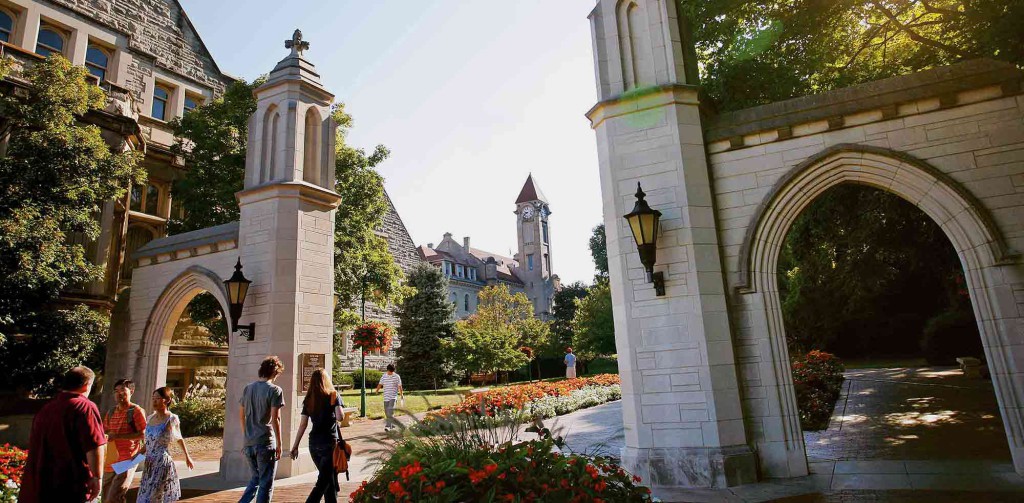
Indiana University Bloomington was founded in 1820 as a state seminary and became a university in 1838. Today, it’s a public research university in Bloomington, Indiana, home to a psychology department with three separate doctoral tracks split across two colleges.
Accreditation Details
Indiana University is accredited by the Higher Learning Commission, which reviews the institution’s academic quality on a regular renewal cycle. Regional accreditation from a nationally recognized agency is required for students to qualify for federal financial aid, and most employers and other universities expect a degree from an accredited school. Within psychology specifically, the Ph.D. in Counseling Psychology and the Ph.D. in School Psychology both carry program-level accreditation from the American Psychological Association (APA), and the School Psychology program is also approved by the National Association of School Psychologists (NASP). The Department of Psychological and Brain Sciences offers a research-focused Clinical Science track within its Psychology Ph.D. Unlike IU’s Counseling Psychology and School Psychology doctorates, the Clinical Science track is not APA-accredited. APA accreditation applies specifically to doctoral training programs in clinical, counseling, and school psychology that meet APA’s Commission on Accreditation standards.
Application Requirements
Undergraduate applicants submit the standard application, official transcripts, and any admissions materials required under IU’s current test-optional policy. Students transferring in with 12 or more completed credits from another college can apply using IU’s transfer application and must submit transcripts from every school attended. Graduate applicants complete the online graduate admission application and submit transcripts showing a completed bachelor’s degree, along with a personal statement and letters of recommendation. For doctoral psychology programs specifically, IU’s faculty-mentoring admissions model means your personal statement should name the faculty member whose research interests match yours, since admission decisions are partly based on that fit.
Tuition and Financial Aid
Tuition for undergraduate Indiana residents is $10,388 per year; non-residents pay $33,740 per year. Financial aid is available through scholarships, loans, grants, and federal work study. Students must file the Free Application for Federal Student Aid (FAFSA) to be considered for any of it.
Psychology Programs at Indiana University Bloomington
Ph.D. in School Psychology
IU’s Ph.D. in School Psychology is a 94-credit-hour program that most students complete in five to six years of full-time study, including at least 800 hours of practicum and 1,500 hours of internship. It’s accredited by the APA and approved by NASP. Students work within a scientist-practitioner model, and admission uses the faculty-mentoring approach described above, so your personal statement should name the faculty member you’d want to work with and why. Research areas include autism and related neurodevelopmental disabilities, culturally responsive assessment, and school-based mental health, and students earn a master’s degree in school psychology along the way to the doctorate. If you’re comparing programs, IU is one of several schools on our list of other affordable school psychology programs.
Ph.D. in Counseling Psychology
This APA-accredited Ph.D. program trains counseling psychologists through a scientist-practitioner model with a strong emphasis on multicultural issues and social justice. If you’re not sure what counseling psychology involves, this program is a good example: it blends clinical practice with research and social-justice-oriented training. Applicants typically hold a bachelor’s degree in psychology or a closely related field, though students from other academic backgrounds may also be considered if they meet the prerequisites. Admission is faculty-mentored, so applicants should identify a faculty mentor in their personal statement, as in the School Psychology program. Graduates go on to work as psychologists, administrators, or faculty in mental health centers, college counseling centers, and private practice.
Ph.D. in Psychology (Clinical Science Track)
IU’s Ph.D. in Psychology, housed in the Department of Psychological and Brain Sciences, requires a minimum of 90 credit hours, a dissertation, and both an oral and written qualifying exam. Most students finish in about five years. Students interested in clinical work can pursue the Clinical Science specialization, which emphasizes research training within the clinical science model. Graduates commonly pursue careers in academic research, hospitals, medical centers, and other settings where psychological science informs clinical practice. IU admits only three to five clinical science students a year, and the program is intentionally research-heavy. If you want a clinically applied doctorate instead, the School Psychology or Counseling Psychology programs above are the better fit.
Select your state below to compare accredited psychology programs, application requirements, and licensing information near you.