
Psychophysiology is the study of how mental states and physiological processes affect each other. Researchers and clinicians in this field measure things like brain activity, heart rate, and skin conductance to understand how emotion and cognition influence the body, and how the body shapes mental states in return. A doctoral degree and psychologist licensure are the standard pathway for independent clinical practice.


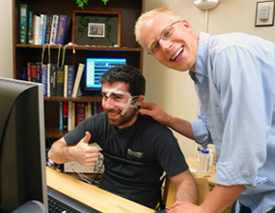
Psychophysiology sits at the intersection of neuroscience, psychology, and medicine. The field uses non-invasive tools to measure how the mind and body communicate. No surgery, no guesswork, just data captured from instruments that read brain electrical activity, muscle tension, heart rate, skin temperature, and more. The goal is to turn those signals into clinically useful information. If you’re exploring related fields, our guide to the difference between neuropsychology and neuroscience covers some of the same ground.
That means a psychophysiologist might help a patient with chronic migraines learn to recognize and reduce their physiological stress response, or analyze neural activity patterns in a research lab to understand how fear is processed. The same tools and methods show up in performance psychology, sleep medicine, and pain management.
What Does a Psychophysiologist Do?
Psychophysiologists measure physical responses to mental and emotional stimuli. Common tools include EEG, heart rate, and heart rate variability (HRV) monitors; skin-conductance sensors; electromyography (EMG) devices; respiration monitors; and biofeedback equipment. Some research settings also use functional MRI (fMRI) and other neuroimaging techniques. Because many of these techniques are non-invasive, researchers can study participants during cognitive tasks, emotional challenges, or everyday activities.
Biofeedback is one of the most applied techniques in the field. A psychophysiologist uses real-time physiological data to help patients recognize and control symptoms tied to conditions like migraines, chronic pain, ADHD, and sleep disorders. The patient can see their own body’s responses on a monitor and learn to adjust them through breathing, relaxation, or cognitive techniques.
On the research side, psychophysiologists study how emotion, attention, and cognition interact with bodily systems. That research feeds into clinical psychology, sports performance, and even product design.
How Do You Become a Psychophysiologist?
The path into this field runs through psychology, neuroscience, or a related discipline. A bachelor’s degree in psychology or biology is where most people start, but independent clinical or research work requires more training.
Research assistants and clinical support staff may hold master’s degrees, while independent researchers and licensed clinical psychologists typically complete doctoral training. State licensing requirements for practicing psychologists generally mean completing a doctoral program, supervised clinical hours, and passing the EPPP (Examination for Professional Practice in Psychology). Clinical specialization in psychophysiology builds on that foundation rather than replacing it.
Beyond state licensing, psychophysiologists who use specific tools need additional certification. The Association for Applied Psychophysiology and Biofeedback (AAPB) and the Biofeedback Certification International Alliance (BCIA) oversee certifications in general biofeedback, neurofeedback, and pelvic floor biofeedback. Graduate training in psychophysiology typically includes the supervised clock hours those certifications require, so you’re often working toward both at once.
What Degrees Are Available in Psychophysiology?
Psychophysiology as a named specialization is more common at the graduate and doctoral level than at the undergraduate level, but you can approach it from several directions.
A bachelor’s in psychology or neuroscience lays the groundwork. Coursework in cognitive psychology, biological psychology, neuroanatomy, research methods, and statistics prepares you for entry-level work in research settings or private practices under supervision.
Master’s programs in psychophysiology, clinical psychology, or neuroscience add the specialization. At this level, graduates work in research labs, clinical support roles, or supervised biofeedback practice. Doctoral programs, whether a research-focused PhD or a practice-focused PsyD, lead to independent work and make clinical licensure possible.
If you’re comparing programs, accreditation matters. Look for doctoral programs with APA-accredited clinical training and internship opportunities. A good starting point is our list of top undergraduate psychology schools.
Select your state below to find accredited psychology programs with neuroscience and clinical concentrations, application links, and licensing requirements for your jurisdiction.